
ଆତ୍ମନିର୍ଭର ଭାରତରେ ଶିଶୁ ବିକ୍ରି ଓ ଅନାହାର ମୃତ୍ୟୁ ଖବର ପଢିବାକୁ ମିଳୁଛି । ଆମ ରାଜ୍ୟ ଓଡିଶାରେ ୬ ମାସରୁ ୫ ବର୍ଷ ମଧ୍ୟରେ ୪୦.୭ ପ୍ରତିଶତ ଶିଶୁ ନିମ୍ନ ପୋଷଣର ଶିକାର । ବୟସ ଓ ଉଚତା ଅନୁସାରେ ଓଜନ ନାହିଁ । ଗେଡା । ରୋଗିଣା ଓ ରକ୍ତହୀନତା ଶିଶୁ ବିକାଶରେ ବାଧକ ହେଉଛି ।୧୫ ରୁ ୫୯ ବର୍ଷ ମଧ୍ୟରେ ହାରାହାରି ୩୫.୬% ମହିଳା ନିମ୍ନ ପୋଷଣର ଶିକାର ହେଉଛନ୍ତି । ଅଙ୍ଗନବାଡି ,ପ୍ରାଥମିକ ବିଦ୍ୟାଳୟ ଓ ଗର୍ଭବତୀ ମହିଳାଙ୍କୁ ତ ମଧ୍ୟାହ୍ନ ଭୋଜନ ଦିଆଗଲା । ତଥାପି କୁପୋଷଣ! କାରଣ ଖୋଜାହେଲା । ଚାଉଳରେ ପୋଷଣ ତତ୍ୱ ଅଭାବ ଏହାର କାରଣ କୁହାଯାଉଛି । ସମାଜ ୩୦ଏପ୍ରିଲ ୨୦୨୩ ରେ ପ୍ରକାଶ ପାଇଲା “ପିଲାଙ୍କୁ ମିଳିବ ପୋଷଣ ଯୁକ୍ତ ମଧ୍ୟାହ୍ନ ଭୋଜନ” । ଷ୍ଟେଟସ ମ୍ୟାନ ୨୯ଏପ୍ରିଲ ୨୦୨୩ ରେ ଖବର ପ୍ରକାଶ କରେ “ଓଡିଶା ଟୁ ଇଣ୍ଟରଡିଉସ ଡାଏଟ ଡାଏଭରଫିକେସନ ଇନ ସ୍କୁଲ ମିଲ” । କମ୍ପନୀ ତିଆରି ଫର୍ଟିଫ୍ରାଏଡ ରାଇସ ବା ଆର୍ଟିଫିସିଆଲ ନ୍ୟୁଟ୍ରିସନ ରାଇସ ମଧ୍ୟାହ୍ନ ଭୋଜନ ପାଇଁ ଯୋଗା ଗଲାଣି ତଥାପି ଖବର ଆସୁଛି ଓଡିଶା ଉଚ୍ଚନ୍ୟାୟାଳୟ ଯାଜପୁର କଲେକ୍ଟରଙ୍କ ଠାରୁ କୁପୋଷଣ ଜନିତ ମୃତ୍ୟୁ ରିପୋଟ ମଗାଇଛନ୍ତି(ଦି ଇଣ୍ଡିଆନ ଏକ୍ସପ୍ରେସ ତା ୦୩.୦୫.୨୦୨୨)
ପୃଥିବୀରେ ଖାଦ୍ୟ ପ୍ରକ୍ରିୟା କରଣ ଶିଳ୍ପ ବରଗଛ ଭଳି କାୟାବିସ୍ତାର କଲାଣି । କମ୍ପାନୀ ବେପାର ବଢାଇବା ପାଇଁ ମୋଟା ଦରମାରେ ଦଲାଲ ମାନଙ୍କୁ ନିଯୁକ୍ତି ଦେଇଛନ୍ତି। ଚାଉଳରେ ପୋଷଣ ତତ୍ୱ ନାହିଁ ଏହି ଦଲାଲ (ଲ ବିଷ୍ଟ ) ମାନଙ୍କର ଭିଆଣ। ଅନ୍ନ ବିହୁନେ ହଁସ ହାନି ଯୋଗ ସାଧିବି କାହା ଘେନି। ପୃଥିବୀରେ ୪୦୦ କୋଟିରୁ ଅଧିକ ଲୋକଙ୍କର ଏହି ଅନ୍ନ ବା ଭାତ ମୁଖ୍ୟ ଖାଦ୍ୟ । ୧୧୩ ଟି ଦେଶରେ ଧାନ ଚାଷ ହୁଏ । ସମୁଦ୍ର ପତନ ଠାରୁ ୨୬୦୦ ମିଟର ଉଚ୍ଚ ଏବଂ କେରଲରେ ସମୁଦ୍ର ପତନ ଠାରୁ ୪ ମିଟର ତଳେ (ଆଦ୍ର ଭୂମିରେ) ଧାନ ଚାଷ ହୋଇଥାଏ। ପୃଥିବୀରେ ଉତ୍ପାଦିତ ମୋଟ ଚାଉଳର ୬୦% ଭାରତ, ଚୀନ ଓ ଇଣ୍ଡୋନେସିଆରେ ଖାଇଥାନ୍ତି। ଦକ୍ଷିଣ ଭାରତ,କେରଳ,ପୂର୍ବୋତ୍ତର ରାଜ୍ୟ,ବିହାର ଛତିଶଗଡ ଓ ମଧ୍ୟପ୍ରଦେଶରେ ଭାତ ଉପରେ ମାଡ । ଚାଉଳରୁ ତିଆରି ପିଠାପଣା ,ଚୂଡା ମୁଢି ଖଇ ବା ଉଖୁଡା ଆମ ପ୍ରିୟ ଖାଦ୍ୟ। ଢିଙ୍କିକୁଟା ଆକାଣ୍ଡିଆ ଦେଶୀ ଚାଉଳରେ ଅମାପ ବଳ । ଏହି ଅକାଣ୍ଡିଆ ଚାଉଳ ଭାତ ଖାଇ ଓଡିଆ ପୁଅ କୋଣାର୍କ,ପୁରୀ ଦେଉଳକୁ ବିରାଟକାୟ ପଥର ଉଠାଉଥିଲା। ଖୋର୍ଦ୍ଧାରେ ପାଇକ ମାନେ ଫିରିଙ୍ଗି ସୈନ୍ୟଙ୍କୁ ଆଣ୍ଠେଇ ପକାଇଥିଲେ । ଶିଶୁ ଓ ମହିଳା ମାନଙ୍କର ନିମ୍ନ ପୋଷଣର ପ୍ରତିକାର ପାଇଁ ଆକାଣ୍ଡିଆ ଦେଶୀ ଚାଉଳର ବିକଳ୍ପ ନାହିଁ ।
୧୯୪୦ -୪୫ ମସିହା କଥା । ମା ମାନେ ମୟୂର କଣ୍ଠିଆ ବା ରତ୍ନଚୁଡି ଧାନର ହଳଦିଆ ଚାଉଳ ,ଭଜା ମୁଗ ,କିଛି କଟା ପାରିବା ପକାଇ ଘଡି ଭାତ ରାନ୍ଧୁଥିଲେ । ଆମେ ପିଲାମାନେ ଘଡି ଭାତ ଖାଇ ସ୍କୁଲରେ ବୋହୁ ଚୋରୀ ,କିତିକିତି,ବାଗୁଡି ଓ କିଆ କିଆ ଢୋଲ ଖେଳ ଖେଳୁ । ଖୁବ ଦୌଡା ଦୌଡି କରୁ ଡଉଲ ଡାଉଲ,ବଲିଳା ଭଳି ଦେହ । ଆଜିକା ପିଲାଙ୍କ ଭଳି ଗେଟେମା, ଗୁଡୁମପେଟା ଛେତା (ରକ୍ତହୀନ), ହାଡ ମାଳ ଚେହେରା ପିଲାନଥିଲେ । ଘଡି ଭାତରେ ଶ୍ୱେତସାର, ପୃଷ୍ଟିସାର, ଧାତବ ଲବଣ, ଭିଟାମିନ-ଇ ଓ ଭିଟାମିନ-ବି ମିଳୁଥିଲା ।
ଗାଁ ରେ ଚାଷୀ ମାନେ ଗଣ୍ଡେ ଖାଆନ୍ତି । ବିଲେଇ ଡେଇଁବନି ନାଲିଭାତ ଥାଳିଏ ,ମୁଗ ଡାଲି ବେଲାଏ ମାଛ ,ପାଣିପାରିବା ତରକାରୀ ଦିପହର ଖୋରାକି । ଭୋରଭୋରରୁ ଧାନ କାଟି ଯିବେ । ଜନକେ ୫୦-୬୦ ଡେଶିମିଲି କଚଡା ପକାଇ କଁଅଳ ଗାଢୁଆ ବେଳକୁ ଫେରିବ । ଚୂଡା ଗୁଡ ଛେନା ନଡିଆ ପାଚିଲା କଦଳୀ ଚକତି କଂସେ ଦାବି ଦେବେ । ଖାଇ ମରଦ ନା ନଖାଇ । ଅଗକଟାକୁ ଯିବେ । ୫୦୦/୬୦୦ ମିଟର ହର ଗହିର ବିଲରୁ ଖେପେକେ ୧୦/୧୨ ଟା ଅଗକଟା ହଳା ମୁଣ୍ଡାଇ ଖଳାରେ ପକାଇବେ । ମୂଲିଆ ମାନେ କଂସାଏ ଲେଖା ପଖାଳ ଖାଇ ୧୫/୨୦ ହଳା ଭାରକରି ଆଣିବେ ୫/୬ ଥର ହଳା ବୁହା ଚାଲିବ । ଗୋଟିଏ ଗୋଟିଏ ହଳା୩ କିଲୋ ହେବ । ବୋଝଟା ୩୦କିଲୋ ,ଭାରଟା ୫୦ କିଲୋ ଓଜନ । ଆଜିକା ୨୦/୨୫ ବର୍ଷର ଯୁବକ ୪ ଟା ହଳା ମୁଣ୍ଡରେ ଆଣନ୍ତୁତ! ସକାଳୁ ମୁଲିଆ ହଲକୁ ଯିବେ କଂସାଏ ପଖାଳ ,ଟିକେ ଶୁଖୁଆ ଚଟଣି ବା ଗୋଟେ ବାଇଗଣ ପୋଡା ଖାଇ ହଳଯୋଚିବେ । ୭/୮ ଘଣ୍ଟା ହଲ କରି ୫୦/୬୦ ଡେସିମିଲି ଜମି ଚଷିଦେବେ । ପଖାଳ ଭାତ କଂସାରେ ଏତେ ବଳ! ଦେଶୀ ଆକାଣ୍ଡିଆ ଚାଉଳ ପୋଷଣ ତତ୍ୱ ଖୁନ୍ଦି ହୋଇଥାଏ । ୨୦/୨୫ ମିନିଟ ରେ ହଜ । ଅମାପ ଶକ୍ତି ଆଜିକା ଚାଉଳରେ କଂସାଏ ଭାତ ଖାଇ ୩/୪ ଘଣ୍ଟା ଖଟିଲେ ହାଁ ହାଁ ।
୧୯୫୦ ପର୍ଯ୍ୟନ୍ତ ଢିଙ୍କିରେ ଧାନକୁଟା । ଘରେ ଘରେ ଢିଙ୍କି । ଅସହାୟ,ସ୍ୱାମୀ ପରିତ୍ୟକ୍ତା, ବିଧବା ସ୍ତ୍ରୀ ଲୋକ ମାନେ ସକାଳୁ ସକାଳୁ ଗାଁ କୁ ଧାଡି ଲଗାଇବେ । ଉସୁନା ବା ଅରୁଆ ଚାଉଳ କୁଟିଲେ । ମଜୁରି ଚାଉଳ ନେଲେ । ଗାଁ ଲୋକଙ୍କୁ ତ ସହରିଆ ମାନେ ମଧ୍ୟ କୁହନ୍ତି । କିନ୍ତୁ ସେଇ ମଫ ମାନେ ଜାଣିଥିଲେ ଚାଉଳ ବୋରରେ କେତେ ବଳ କୁତଟୁଣୀ ମାନଙ୍କୁ ଆକାଣ୍ଡିଆ ଚାଉଳ କୁଟିବାକୁ ତାଗିଦ କରିଥାନ୍ତି । ଲକ୍ଷ ଲକ୍ଷ ଗରିବ ସ୍ତ୍ରୀ ଲୋକ ମାନଙ୍କୁ ଢିଙ୍କି କର୍ମ ନିଯୁକ୍ତି ଯୋଗଉଥିଲା । ଦେଶ ସ୍ୱାଧୀନ ହେଲା । ଏଣିକି କଳ କବଜା ଯୁଗ ଆରମ୍ଭ ହେଲା ଢିଙ୍କିକୁ ମାରଗୁଲି କଳରେ ଧାନକୁଟା । ଆରେ ଢିଙ୍କିରେ ଧନକୁଟିବାକୁ ଗନତେ ଦି ଘଣ୍ଟା ନିକିମା । କାଳରେ ୧୦/୧୫ ମିନିଟରେ କାବାର । ଢିଙ୍କି ମାନେ ଚୂଳିକୁ ଗଲେ । ଧାନ କଳ ଚାଉଳର ବୋରକୁ ଚାଚ୍ଛି ଦେଲା । ଧୋବ ଫର ଫର ଚାଉଳ । ମଲ୍ଲି ଫୁଲ ପରି ଭାତ । ଦେଖା ସୁନ୍ଦର କଖାରୁ ବଡି । ଚାଉଳର ବଳ କୁଣ୍ଡାକୁ ଗଲା । ନଇରେ ହଜେଇ ପୋଖରୀରେ ଖୋଜିଲେ ଆଉ ନାହିଁ ରେ ବାପ । ଆକାଣ୍ଡିଆ ନାଲି ଚାଉଳ ଯୁଗ ଶେଷ । ଆପେ ଅର୍ଜିବା କର୍ମ ମାନ ବେଳୁ ହୋଇବା ସାବଧାନ ।
ଆକାଣ୍ଡିଆ ଚାଉଳରେ ଥିବା ପୋଷାକ ତତ୍ତ୍ୱ :- ସାବଧାନତା ସହିତ ଧାନର ଉପର ଆବରଣଟି କାଢିଦେଲେ ଆମେ ଧୂସର ରଙ୍ଗର ଚାଉଳ ଟିଏ ପାଇବ । ଏହି ଚାଉଳକୁ ନାଲି ଚାଉଳ ବା ରେଡ ରାଇସ କୁହାଯାଏ । ଏହା ନାଲି,ଧୂସର,ହଳଦିଆ ବା କଳା ହୋଇପାରେ । ନାଲି ଚାଉଳ ଉପରେ ଗୋଟିଏ ଆବରଣ ଥାଏ । ଏହାକୁ ବୋର ବା ରାଇସ ପଲିସ କୁହାଯାଏ । ନାଲି ଚାଉଳର ଗୋଟିଏ ମୁଣ୍ଡକୁ ଭ୍ରୁଣ (ଜର୍ମ)ଥାଏ । ବୋରଟି ଧନକାଳରେ ଚାଚ୍ଛି ହୋଇଗଲେ ଯେଉଁ ଚାଉଲଟି ମିଳିବ ତାହାକୁ ଧଳା ଚାଉଳ ବା ହ୍ୱାଇଟ ରାଇସ କୁହାଯାଏ । ଧାନରେ ଚଷୁ (ହସ୍କ)୨୦% ବୋର ୮% ଭ୍ରୁଣ(ଜର୍ମ)୨ % ଏବଂ ଧଳା ଚାଉଳ (ଏଣ୍ଡୋସ୍ପର୍ମ)୭୦% ଥାଏ । କେବଳ ବୋର ଓ ଭ୍ରୂଣରେ ୬୦ ରୁ ୭୦ ପ୍ରତିଶତ ପୋଷଣ ତତ୍ୱ ଥାଏ । ଏଥିରୁ ଜାଣି ହେଉଛି ଯେ ଧଳା ଚାଉଳରେ ପୋଷଣ ତତ୍ୱ ବହୁତ କମ । ପ୍ରକୃତି ଚାଉଳରେ ଅମାପ ପୋଷଣ ତତ୍ୱ ରହିଛି । ନିର୍ବୋଧ ମଣିଷ ଧାନ କଳରେ ଚାଉଳ ତିଆରି କରି ଚାଉଳକୁ ପୃଷ୍ଟିହୀନ କରିଛି । ପ୍ରକୃତି ଚାଉଳରେ ଅପରଯ୍ୟାପ୍ତ ପୋଷଣତତ୍ୱ ରହିଛି । ମଣିଷ ତାକୁ ଶ୍ରୀହୀନ କରି କୃତ୍ରିମ ପୋଷଣ ଯୁକ୍ତ ଚାଉଳରେ ମାଟିଛି । ଆପଣା ହାତେ ଜହ୍ୱା ଛେଦୀ କି ତାର ଅଛି ପ୍ରତିବାଦି ।
ଦେଶୀ ଧାନ ଓ ଦେଶୀ ଚାଉଳ କଣ ? ୧୯୬୭ ପର୍ଯ୍ୟନ୍ତ ଭାରତରେ ୧ ଲକ୍ଷ ରୁ ଉର୍ଦ୍ଧ କିସମର ଧାନ ଚାଷ ହେଉଥିଲା । ଆମ ଓଡିଶାରେ ଏହି ସଂଖ୍ୟା ପ୍ରାୟ ୩୦ ହଜାର ଥିଲା ଭୁତିଆ, ରାଜବଲ୍ଲଭ, ମାଛକଣ୍ଟା, ନାଲି ଚାଉଳ ଗରମ ବା ପଖାଳ ଭାତ ପାଇଁ ଡାକୁ । ବାଲାମୀ,ପଦ୍ମକେଶୋରୀ,ସାଳଫୁଲ ସାରୁ ଲମ୍ବା ଚାଉଳ ଖେଚୁଡି, ପଲ୍ଲଉ, ଭୋଜିଭାତ, ସମୁଦୀ ବନ୍ଧୁ ବାନ୍ଧବ ଙ୍କ ପାଇଁ ଚାଉଳ । କଳାଜିରି, ପିମ୍ପୁଡିବାସ, ତୁଳସୀ ଫୁଲ ବାସନା ଧାନ କିସମମାନେ ଚାଷ ହେଉଥିଲା । ୧୯୬୯ ରେ ସବୁଜବିପ୍ଳବର ଜନ୍ମ । ଆସିଗଲା କମ୍ପାନୀ ତିଆରୀ ଅଧିକ ଅମଳକ୍ଷମ ବିହନ । ଚାଷରେ ଆକାଶ ଛୁଆଁ ଖର୍ଚ । ଫଳିଲା ଟିକେ ଅଧିକ । ଭାତରେ ବିଷ, ମାଟିରେ ବିଷ, ପାଣିରେ ବିଷ, ଆମ ରକ୍ତରେ ବିଷ ଚରିଗଲା । ଘରେ ଘରେ କ୍ୟାନସର । ରୁଣ ସୁଝିନପାରି ଚାଷୀ ଆତ୍ମହତ୍ୟା । ତଥାପି ଚାଷୀ ନୂଆ ବିହନ ମାୟା ନଛାଡନ୍ତି ଦେଶୀ ଧାନ ବିହନ ମାନେ ହଜି ଗଲେ । କଳା ପାହାଡ ବଡ ଦେଉଳ ଆକ୍ରମଣ ଭୟରେ ପଣ୍ଡା ମାନେ ଜଗନ୍ନାଥଙ୍କୁ ଲୁଚାଇଥିଲା ଭଳି କିଛି ଅନୁଭବି ବୁଢା ବୁଢୀ ଚାଷୀ କାଁଭାଁ ପୁରୁଣା ବିହନ ଏବେବି ଚାଷ କରୁଛନ୍ତି । ଦେଶୀ ଚାଉଳ ମିଠା ଯିଏ ରଖିଛି । ସେ ଜାଣିଛି ଦେଶୀ ଚାଉଳରେ ନୂଆ ଚାଉଳଠାରୁ ୨ ଗୁଣ ପୋଷଣ ତତ୍ୱ ।
ଅରୁଆ ଚାଉଳଠାରୁ ଉସୁନା ଚାଉଳ ଅଧିକ ପୃଷ୍ଟିକାରକ । କାରଣ ଧାନକୁ ସିଝାଇବାଦ୍ୱାରା ବୋର ଚାଉଳରେ ଲାଗି ରୁହେ । ବୋରରେ ଥିବା ଆର୍ସେନିକ ଓ ଫ୍ଲୋରାଇଡ ସ୍ୱାସ୍ଥ୍ୟପ୍ରତି ହାନିକାରକ । ଧାନ ଉଂସେଇବା ଦ୍ୱାରା ଆର୍ସେନିକ ଓ ଫ୍ଲୋରାଇଡ ପାଣିରେ ମିଳାଇଯାନ୍ତି । ଆଜିକାଲି ସହରରେ ପାଠୁଆ ଲୋକ ନାଲି ଚାଉଳର ମହିମା ଜାଣିଲେଣି । ନାଲି ଚାଉଳ ପାଇଁ ବଜାର ଆଗ୍ରହ ହେଲାଣି ।୨୦୧୭ ରେ ପଶ୍ଚିମବଙ୍ଗ କୃଷି ଅଧିକାରୀ ଡାଃ ଅନୁପମ ପାଲ ନାଲିଚାଉଳ (ବ୍ରାଉନ ରାଇସ) ଓ ଧଳା ଚାଉଳ (ହ୍ୱାଇଟ ରାଇସ ) ରେ ଥିବା ପୋଷକ ତତ୍ୱ ବିଜ୍ଞାନାଗାରରେ ପରୀକ୍ଷା କରିଥିଲେ । ନିମ୍ନରେ ଫଳାଫଳ ଦର୍ଶାଯାଇଛି ।
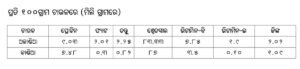
ସାରଣୀ ଟିକୁ ଅନୁଶୀଳନ କଲେ ସ୍ପଷ୍ଟ ହେଉଛି ଯେ ଧଳା ଚାଉଳରେ ନାଲି ଚାଉଳଠାରୁ ପୁଷ୍ଟିତତ୍ୱ ୬୦-୭୦ % କମ ରହିଛି ।
୨୩ ମାର୍ଚ୍ଚ ୨୦୧୮ କରେଣ୍ଟ ସାଇନ୍ସ ଜର୍ନାଲ ରେ ପ୍ରକାଶ ପାଏ “specialty rice varieties of keral are store house of Nutrition” । ୫ ଜୁନ ୨୦୨୦ରେ Journal of Tropical Agriculture ରୁ ଜଣାଯାଏ କେରଳର କାଲିକାଟ ବିଶ୍ୱବିଦ୍ୟାଳୟ ଓ କେରଳ ଏଗ୍ରିକଲଚରାଲ ୟୁନିଭର୍ସିଟି ୧୧ଟି ଦେଶୀ ଧାନ ର ବାଇଓକେମିକାଲ ଏବଂ ମିନେରାଲ କମ୍ପୋଜିସନ ଉପରେ ଗବେଷଣା କରିଥିଲେ । ଗବେଷଣାର ଫଳାଫଳରୁ ଜଣାଯାଏ ଦେଶୀ ଧାନ ରକ୍ତଶାଳି ଆଭାଲକାନନ ଓ ଭେଲୁଆ ନଭେରା ର ୧୦୦ ଗ୍ରାମ ଚାଉଳରେ ୧୧.୮ ଗ୍ରାମ ପ୍ରୋଟିନ ଅଛି । ଦେଶୀ ଚାଉଳରେ ଥିବା ପୃଷ୍ଟିସାର,ସ୍ନେହସାର,ଭିଟାମିନ,ଥିଆମିନ,ରିବୋଫ୍ଲାବିନ,ନିଆଶିନ ଓ ତନ୍ତୁ ଶରୀର ଗଠନରେ ସହାୟକ ହୋଇଥାଏ । ଥିଆମିନ ଓ ରିବୋଫ୍ଲାବିନ ଉପସ୍ଥିତି ଯୋଗୁଁ ଶିଶୁମାନଙ୍କୁ ବେରିବେରି ରୋଗର ଭୟ ନଥାଏ । ନାଲି ଚାଉଳରେ ଥିବା ପୋଟାସିୟମ ରକ୍ତଚାପ ନିୟନ୍ତ୍ରଣ କରିଥାଏ । ଏଥିରେ ଥିବା ଫସଫରସ ଓ ସେଲେନିୟମ ହାଡ ଶକ୍ତ କରେ ଅଷ୍ଟପୋରିସିସ ବା ହାଡ ପାପେରାରୁ ସୁରକ୍ଷା ମିଳିଥାଏ । ଆକାଣ୍ଡିଆ ଚାଉଳରେ ଥିବା ଓରିଜାନାଲ ରକ୍ତରେ କୋଲେଷ୍ଟର ମାତ୍ରା କମାଇବା, ମହିଳା ମାନଙ୍କର ଗର୍ଭପାତ ଭୟ କମାଇଥାଏ । ଗହମରେ ଗ୍ଳୁଟେନ ଥିବା ଯୋଗୁଁ କୋଲେନ କ୍ୟାନ୍ସର ହୋଇଥାଏ । ମାତ୍ର ଚାଉଳରେ ସେ ଭୟ ନଥାଏ ।
ସରକାର ମାନେ ବାସ୍ତବତାକୁ ବୁଝନ୍ତୁ । ଢିଙ୍କିର ପୁନଃ ପବର୍ତନ କରାନ୍ତୁ । ପୃଷ୍ଟିକର ଚାଉଳ ମିଳିବ । ଲକ୍ଷ୍ୟ ଲକ୍ଷ୍ୟ ଗରିବ ସ୍ତ୍ରୀ ଲୋକମାନଙ୍କ ପାଇଁ ନିଯୁକ୍ତି ସୁଯୋଗ ଖୋଲିଯିବ । ଅଧିକ ଅମଳକ୍ଷମ ଧାନ ପରିବର୍ତ୍ତେ ଦେଶୀ ଧାନ ଚାଷକୁ ପ୍ରୋଶ୍ଚାହନ ଦିଅନ୍ତୁ । ପ୍ରସ୍ତାବ ଗୁଡିକ ଅବାସ୍ତବ ମନେ ହେଲେ ମଧ୍ୟ ସରକାର ଚାହିଁଲେ ଏହାଦ୍ୱାରା ଶତପ୍ରତିଶତ କୁପୋଷଣ ଦୂର କରାଯାଇପାରିବ । ଫର୍ଟିଫ୍ରାଏଡ ରାଇସ ପାଇଁ ଦେଶୀ ବିଦେଶୀ କମ୍ପାନୀକୁ ପୋଷିବା ବନ୍ଦ କରାଯାଉ । ସରକାରୀ ଧାନ ରାଇସ ମିଲରେ କୁଟା ଯାଉଛି । ରାଇସ ମିଲ ମାନେ ସେଲରରେ କୁଟି କେବଳ ଚଷୁ କାଢିଦେଲେ ନାଲି ଚାଉଳ ମିଳିପାରିବ । ଗାନ୍ଧୀଙ୍କ ଗ୍ରାମୀଣ ଅର୍ଥନୀତି ଅଜିମଧ୍ୟ ପ୍ରାସଙ୍ଗିକ ।
ନଟବର ଷଡ଼ଙ୍ଗୀ ଆଜି ଆମ ଗହଣରେ ନାହାନ୍ତି ସତ, କିନ୍ତୁ ତାଙ୍କର କାଳଜୟୀ ଆଲେଖ୍ୟଗୁଡ଼ିକୁ ପଢ଼ିଲା ବେଳେ ତାଙ୍କର ନିରଳସ କର୍ମମୟ ଜୀବନ ଓ ଚିନ୍ତାଧାରା ଯେ ଜନସମାଜ ପାଇଁ କେତେ ହିତକର ଥିଲା, ତାହାକୁ କେବେହେଲେ ଏଡ଼ାଇ ଦେଇହେବ ନାହିଁ। ମାଟି, ପାଣି, ପବନ ଏବଂ କୃଷକର ସ୍ୱାର୍ଥ ରକ୍ଷା ପାଇଁ ସେ ସଦାସର୍ବଦା ନିଜ ଲେଖନୀ ଚାଳନା କରୁଥିଲେ। ତାଙ୍କର ଏହି ବହୁମୂଲ୍ୟ ଆଲେଖ୍ୟଗୁଡ଼ିକ ବିଭିନ୍ନ ଦୈନିକ ସମ୍ବାଦପତ୍ର ସମେତ ପାକ୍ଷିକ ପତ୍ରିକା ‘ସମଦୃଷ୍ଟି’ରେ ନିୟମିତ ଭାବେ ପ୍ରକାଶିତ ହେଉଥିଲା। ୨୦୦୬ ମସିହାରୁ ୨୦୨୬ ମସିହା ମଧ୍ୟରେ ‘ସମଦୃଷ୍ଟି’ ପତ୍ରିକାରେ ତାଙ୍କର ମୋଟ ୧୧୧ଟି ସାରଗର୍ଭକ ଆଲେଖ୍ୟ ପ୍ରକାଶିତ ହୋଇଛି। ତାଙ୍କର ଏହି ବିଶାଳ ଲେଖା ସମ୍ଭାର ମଧ୍ୟରୁ କିଛି ବଛାବଛା ଲେଖାକୁ ଏକତ୍ରିତ କରି ‘ସମଦୃଷ୍ଟି’ ପକ୍ଷରୁ ବିଭିନ୍ନ ସମୟରେ ପୁସ୍ତକ ଆକାରରେ ପ୍ରକାଶ କରିବାର ପ୍ରୟାସ କରାଯାଇଛି। ସେଗୁଡ଼ିକ ମଧ୍ୟରେ ‘ଆଉ କେତେ ବିଷ ପିଇଲେ ଚେତିବା’ (୨୦୧୬), ‘ମାଟିର କଥା’ (୨୦୨୨),’ମାଛ କଥା’ (୨୦୨୪), ‘ଆମ୍ବ କଥା’ (୨୦୨୫)। ବିଶେଷ କରି ‘ଆମ୍ବ କଥା’ ପୁସ୍ତକଟି ତାଙ୍କର ମୃତ୍ୟୁ ପୂର୍ବରୁ ‘ସମଦୃଷ୍ଟି’ର ବାର୍ଷିକ ଉତ୍ସବରେ ଉନ୍ମୋଚିତ ହୋଇଥିଲା। ସେତେବେଳେ ଭୀଷଣ ଥଣ୍ଡା ପଡ଼ୁଥିବାରୁ ସ୍ୱାସ୍ଥ୍ୟଗତ କାରଣରୁ ସେ ଭୁବନେଶ୍ୱର ଆସିପାରି ନଥିଲେ। ମାର୍ଚ୍ଚ ମାସରେ ନିଜ ଅଞ୍ଚଳ ନିଆଳିରେ ଏହି ପୁସ୍ତକଟିକୁ ଉନ୍ମୋଚନ କରିବା ପାଇଁ ସେ ଇଚ୍ଛା ପ୍ରକାଶ କରିଥିଲେ; କିନ୍ତୁ ସେହି ଉନ୍ମୋଚନ ପୂର୍ବରୁ ହିଁ ସେ ଚିରନିଦ୍ରାରେ ଶୋଇଗଲେ। ପରବର୍ତ୍ତୀ ସମୟରେ ନିଆଳିଠାରେ ତାଙ୍କ ପାଇଁ ଆୟୋଜିତ ଶ୍ରଦ୍ଧାଞ୍ଜଳି ସଭାରେ ‘ଆମ୍ବ କଥା’ ପୁସ୍ତକଟିକୁ ଲୋକାର୍ପଣ କରାଯାଇଥିଲା, ଯାହା ଏକ ଅତ୍ୟନ୍ତ ଭାବବିହ୍ୱଳ ମୁହୂର୍ତ୍ତ ଥିଲା।
‘ସମଦୃଷ୍ଟି’ର ୨୪ଟି ସଂଖ୍ୟାରେ ଧାରାବାହିକ ଭାବେ ପ୍ରକାଶିତ ତାଙ୍କର ବହୁଚର୍ଚ୍ଚିତ ଲେଖା ‘ସବୁଜ ବିପ୍ଲବର ଗୁମର କଥା’କୁ ଏକ ସ୍ୱତନ୍ତ୍ର ପୁସ୍ତକ ଆକାରରେ ପ୍ରକାଶ କରିବା ପାଇଁ ତାଙ୍କର ପ୍ରବଳ ଇଚ୍ଛା ଥିଲା। ତାଙ୍କର ସେହି ଅଧୁରା ସ୍ୱପ୍ନକୁ ସାକାର କରିବା ପାଇଁ ଆମେ ଆସନ୍ତା ୨୦୨୭ ମସିହା ଜାନୁଆରୀ ୧୭ ତାରିଖରେ ଅନୁଷ୍ଠିତ ହେବାକୁ ଥିବା ‘ସମଦୃଷ୍ଟି’ର ୨୨ତମ ବାର୍ଷିକ ଉତ୍ସବରେ ‘ସବୁଜ ବିପ୍ଲବର ଗୁମର କଥା’ ପୁସ୍ତକଟିକୁ ଉନ୍ମୋଚନ କରିବା ପାଇଁ ନିଷ୍ଠାର ସହ ପ୍ରଚେଷ୍ଟା ଜାରି ରଖିଛୁ।
ଏହା ବ୍ୟତୀତ, ‘ସମଦୃଷ୍ଟି’ରେ ପ୍ରକାଶିତ ତାଙ୍କର ଆହୁରି ଅନେକ ଅମୂଲ୍ୟ ଆଲେଖ୍ୟକୁ ଭବିଷ୍ୟତ ପିଢ଼ି ଓ ପାଠକମାନଙ୍କ ନିକଟରେ ସହଜରେ ପହଞ୍ଚାଇବା ପାଇଁ ଆମେ ‘ସମଦୃଷ୍ଟି’ର ୱେବସାଇଟ୍ (thesamadrusti.com) ରେ କ୍ରମାନ୍ୱୟରେ ସ୍ଥାନିତ କରିବାର ପ୍ରୟାସ ଜାରି ରଖିଛୁ। ତାଙ୍କର ଏହି ଲେଖାଗୁଡ଼ିକ ଆଗାମୀ ଦିନରେ ମଧ୍ୟ ସମାଜକୁ ଦିଗଦର୍ଶନ ଦେବ।
The Magic of Unpolished Indigenous Rice
In an Atmanirbhar Bharat (“self-reliant India”), we still read news of child sales and starvation deaths. In our state of Odisha, 40.7 percent of children between six months and five years suffer from undernutrition. They lack weight for their age and height, are stunted, and suffer from illness and anemia that stand in the way of healthy child growth. Between the ages of 15 and 59, an average of 35.6 percent of women suffer from undernutrition. Midday meals are served at Anganwadis and primary schools, as well as food support for pregnant women. Yet malnutrition persists! People went looking for the reason, and lack of nutrients in rice is being blamed. On April 30, 2023, The Samaja published a report: “Children Will Get Nutritious Midday Meals.” On April 29, 2023, The Statesman carried the headline: “Odisha to Introduce Diet Diversification in School Meal.” Company-manufactured fortified rice—or artificial nutrition rice—has already been supplied for midday meals, yet news still comes that the Odisha High Court has sought a report from the Jajpur Collector regarding deaths caused by malnutrition (The Indian Express, dated 03.05.2022).
Across the world, the food processing industry has spread its branches wide like a banyan tree. To expand their business, companies hire lobbyists on hefty salaries. The claim that there are no nutrients in rice is the creation of these brokers and lobbyists. Without anna (cooked grain), the life-breath (hangsa) is lost—with what can one pursue yoga or higher endeavor? For more than four billion people around the world, this anna or bhata (cooked rice) is the staple food. Paddy is cultivated in 113 countries, from 2,600 meters above sea level to 4 meters below sea level in wetlands such as in Kerala. Sixty percent of the world’s total rice output is consumed in India, China, and Indonesia. In South India, Kerala, the Northeast states, Bihar, Chhattisgarh, and Madhya Pradesh, life revolves around rice. Cakes and pithas made from rice, chuda (flattened rice), mudhi (puffed rice), khai, or ukhuda are our favorite foods. There is immense strength in dhenki-pounded akandia desi chaula (unseasonal indigenous rice). Eating cooked rice from this akandia chaula, young Odia men lifted massive stones for the Konark and Puri temples. In Khordha, the Paikas brought firingi (British) soldiers to their knees. To overcome undernutrition among children and women, there is no substitute for akandia desi chaula.
This is a memory from 1940–45. Mothers used to cook ghadi bhata using yellow rice from Mayurkanthia or Ratnachudi paddy, roasted moong, and some chopped vegetables. After eating ghadi bhata, we children would play bohu chori, kitikiti, bagudi, and kia kia dhol at school, running about with sturdy, well-built, healthy bodies. There were no children like today’s—frail, pot-bellied, anemic, or looking like bags of bones. Ghadi bhata gave us carbohydrates, protein, mineral salts, vitamin E, and vitamin B.
In villages, farmers ate heartily. A plate of red rice that a cat wouldn’t even jump over, moong dal, a serving of fish, and a water-vegetable curry made up the midday meal. They would set out at dawn to cut paddy, transplant 50–60 decimals of kachada (seedlings), and return around morning bath time. They would press down a bowlful of chuda, jaggery, chhena, coconut, and ripe banana—whether a man had eaten or not, they would go for agakata (cutting/carrying sheaves). From fields 500–600 meters away in deep hara land, they would carry 10–12 sheaves (hala) on their heads per trip to the threshing floor. Farm laborers would eat a bowl of pakhala (watered rice) and carry 15–20 sheaves on a shoulder pole (bhara), making five or six trips. Each sheaf weighed about 3 kilos—making a head-load 30 kilos and a shoulder-pole load 50 kilos. Let a 20- or 25-year-old today try carrying even four sheaves on his head! In the morning, a laborer would eat a bowl of pakhala with a bit of sukhua (dried fish) chutney or a roasted brinjal, yoke the plow, and plow 50–60 decimals of land over seven or eight hours. Such strength in a single bowl of pakhala! Indigenous akandia rice is packed with nutrients, digests in 20–25 minutes, and gives boundless energy. Eat a bowl of today’s rice and work for three or four hours, and you’re left gasping for breath.
Until 1950, paddy was husked in the dhenki. There was a dhenki in almost every home. Helpless women, women abandoned by their husbands, and widows would line up in the village early in the morning, pound usuna (parboiled) or arua (raw) rice, and take rice as their wage. City dwellers too might look down on villagers, yet even those urban folks knew the strength held in the bran layer (bora) of rice and would instruct the women pounding grain to prepare akandia rice. The dhenki provided livelihood to millions of poor women. Then the country became independent, and the era of machinery began—paddy was husked in huller mills. Pounding paddy in a dhenki took an hour or two, whereas a mill finished it in 10–15 minutes. Dhenkis were consigned to the hearth fire. The rice mill scraped off the bran layer of the rice, leaving gleaming white grains and rice like jasmine flowers, attractive to look at alongside kakharu badi (pumpkin lentil dumplings). The strength of the rice went into the bran (kunda). If you lose something in the river and search for it in the pond, you won’t find it anymore, my friend. The era of akandia red rice ended. We have brought this upon ourselves by our own deeds—let us wake up in time and be careful.
Nutrients in Akandia Rice: If we carefully remove only the outer hull of the paddy, we get a greyish-colored rice. This rice is called red rice (nali chaula or red rice), though it can be red, greyish, yellow, or black. On top of red rice is a coating called bora or rice polish (bran). At one end of the rice grain is the embryo (germ). When that bora layer is stripped away in a rice mill, what you get is white rice. A paddy grain consists of roughly 20% husk (chasha), 8% bran (bora), 2% embryo (germ), and 70% white rice (endosperm). Sixty to seventy percent of the nutrients reside in the bora and embryo alone. From this, it is clear that white rice has very few nutrients. Nature’s rice holds abundant nourishment; foolish humans stripped it of its richness by milling it into white rice, and then turned to artificially fortified rice. When someone cuts off their own nose, who is there to protest?
What Are Desi Paddy and Desi Rice? Until 1967, more than 100,000 varieties of paddy were cultivated in India, and in our Odisha that number was around 30,000. Varieties like Bhutia, Rajballabh, and Machhakanta were prized for hot rice or pakhala. Balami, Padmakeshari, Salfulla, and Saru Lamba were used for khichdi, pulao, feasts, and welcoming relatives. Aromatic varieties like Kalajiri, Pimpudibasa, and Tulasi Phula were grown. In 1969, the Green Revolution was born, bringing company-made high-yielding seeds. Farming costs skyrocketed; yields rose a little, while poison entered our cooked rice, our soil, our water, and our blood. Cancer appeared in home after home, and farmers died by suicide unable to repay loans. Even so, many farmers did not let go of the lure of new seeds, and indigenous paddy seeds were lost. Just as temple priests hid Lord Jagannath out of fear of Kalapahad attacking the Bada Deula (Puri temple), a few experienced elderly farmers still cultivate old seeds here and there. Whoever has kept sweet-tasting desi rice knows it has twice the nutrients of modern rice.
Parboiled (usuna) rice is more nutritious than raw (arua) rice because boiling the paddy helps the bran layer adhere to the grain. Arsenic and fluoride present in the bran can be harmful to health, and parboiling dissolves arsenic and fluoride into the water. Nowadays, educated people in cities are coming to recognize the worth of red rice, and market demand for red rice is growing. In 2017, West Bengal agriculture officer Dr. Anupam Pal tested red rice (brown rice) and white rice for nutrients in a laboratory, and the results were presented in a table. Studying that table makes it clear that white rice contains 60–70% fewer nutrients than red rice.
On March 23, 2018, the journal Current Science published a study titled “Specialty rice varieties of Kerala are storehouse of nutrition.” On June 5, 2020, the Journal of Tropical Agriculture reported research by the University of Calicut and Kerala Agricultural University on the biochemical and mineral composition of 11 indigenous paddy varieties. That research found that 100 grams of rice from indigenous varieties Rakthashali, Avalkannan, and Veliyan Navara contains 11.8 grams of protein. The proteins, fats, vitamins, thiamine, riboflavin, niacin, and fiber in desi rice help build the body. Because of thiamine and riboflavin, children do not face the risk of beriberi. Potassium in red rice helps control blood pressure. Phosphorus and selenium in it strengthen bones and protect against osteoporosis. Oryzanol in akandia rice helps lower blood cholesterol and reduces the risk of miscarriage in women. Wheat contains gluten, which is linked to colon cancer risk, whereas rice does not carry that risk.
Let governments understand the reality. Revive the dhenki—nutritious rice will be available, and employment opportunities will open up for millions of poor women. Instead of high-yielding varieties alone, promote the cultivation of indigenous paddy. Even if these proposals sound unrealistic to some, if the government wills it, malnutrition can be eliminated hundred percent. Stop subsidizing domestic and foreign companies for fortified rice. Government paddy is being milled in rice mills; if rice mills hull it in a sheller and remove only the outer husk, red rice can be obtained. Gandhi’s rural economy remains relevant even today.
Samadrusti Archive (Natabar Sarangi)
Comments
0 comments