
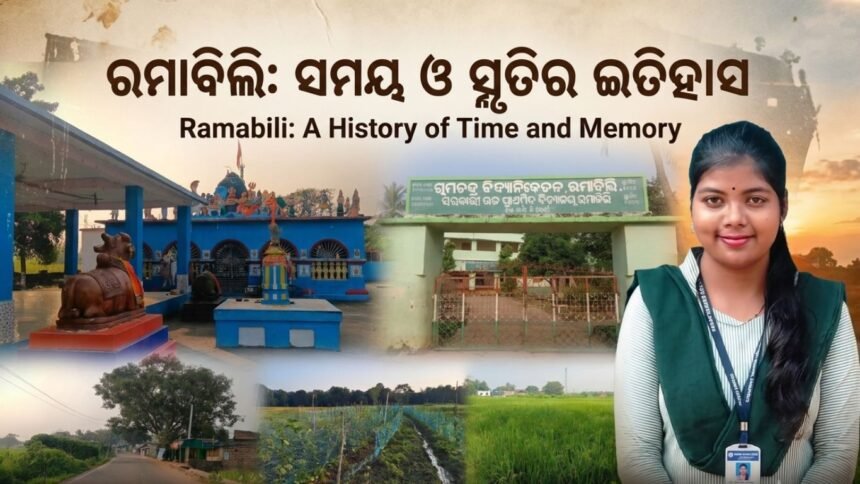
ନିରାକାରପୁର ସ୍ଥିତ ଖେତ୍ରବାସୀ ଡି.ଏ.ଭି. ମହାବିଦ୍ୟାଳୟର ରାଜନୀତି ବିଜ୍ଞାନର ଛାତ୍ରୀ ପାୟଲ ପ୍ରିୟଦର୍ଶିନୀ ନିଜ ଜନ୍ମମାଟି ‘ରମା ବିଲି’ର ଇତିହାସକୁ ଲୋକଲୋଚନକୁ ଆଣିବା ପାଇଁ ଏକ ପ୍ରଶଂସନୀୟ ଉଦ୍ୟମ କରିଛନ୍ତି। ଗାଁର ବୟୋଜ୍ୟେଷ୍ଠମାନଙ୍କ ସହିତ ଆଲୋଚନା ଓ ସାକ୍ଷାତକାର ଜରିଆରେ ସେ ଅଞ୍ଚଳର ବିସ୍ମୃତ ଐତିହାସିକ କଥାବସ୍ତୁ ଓ ମୌଖିକ ପରମ୍ପରାକୁ ସଂକଳିତ କରିଛନ୍ତି। ସମାଜ ଓ ଶାସନ ବ୍ୟବସ୍ଥାକୁ ବୁଝିବାର ଛାତ୍ରୀଜୀବନର ଦୃଷ୍ଟିକୋଣ ସହିତ ସ୍ଥାନୀୟ ସ୍ମୃତିକୁ ସମନ୍ୱିତ କରି ସେ ରମାବାଲୀର ଜୀବନଶୈଳୀ, ଆର୍ଥିକ ଜୀବିକା, ଶିକ୍ଷାର ବିକାଶ, ସାଂସ୍କୃତିକ ଐତିହ୍ୟ ଏବଂ ସାମାଜିକ ପରିବର୍ତ୍ତନର ଏକ ଚିତ୍ର ଉପସ୍ଥାପନ କରିବାକୁ ପ୍ରୟାସ କରିଛନ୍ତି। ଗ୍ରାମ୍ୟ ଇତିହାସ ସଂରକ୍ଷଣ ଦିଗରେ ତାଙ୍କର ଏହି ଅବଦାନ ନିଶ୍ଚିତ ଭାବେ ସ୍ୱାଗତଯୋଗ୍ୟ। ଏଥିପାଇଁ ଗ୍ରାମ୍ୟ ଜୀବନୀ ଓ ଐତିହ ଅଧ୍ୟୟନ କେନ୍ଦ୍ର ପକ୍ଷରୁ ତାଙ୍କୁ ହାର୍ଦ୍ଦିକ ଧନ୍ୟବାଦ ଜଣାଉଛି।
Payal Priyadarshini, a Political Science student at Kshetrabasi D.A.V. College, Nirakarpur, has made a commendable effort to bring the history of her native village, Ramabali, into the public eye. Through discussions and interviews with the village elders, she has compiled forgotten historical narratives and oral traditions of the area. Integrating a student’s perspective on society and governance with local memories, she has sought to present a picture of Ramabali’s lifestyle, economic livelihood, educational development, cultural heritage, and social change. Her contribution toward preserving rural history is certainly welcome. For this, the Centre for Village Biography and Heritage Studies extends its heartfelt thanks to her.
ଗାଁର ପରିଚୟ ଓ ଭୌଗୋଳିକ ସ୍ଥିତି
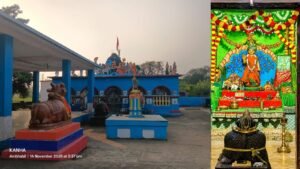
ଖୋର୍ଦ୍ଧା ଜିଲ୍ଲା ଟାଙ୍ଗୀ ବ୍ଲକ ଅନ୍ତର୍ଗତ ଛଣଗିରି ଗ୍ରାମ ପଞ୍ଚାୟତରେ ଅବସ୍ଥିତ ‘ରମାବିଲି’ ଏକ ଅଖ୍ୟାତ, ସବୁଜ ବନାନୀ ଘେରା ଅପରୂପ ପ୍ରାକୃତିକ ସୌନ୍ଦର୍ଯ୍ୟରେ ପରିପୂର୍ଣ୍ଣ ପଲ୍ଲୀ। ଐତିହାସିକ କିମ୍ବଦନ୍ତୀ ଅନୁସାରେ ରାମେଶ୍ୱର ରାଜାଙ୍କ ଝିଅ ରମା ଦେବୀଙ୍କ ନାମ ଅନୁସାରେ ଏହି ଗାଁର ନାମ ରମାବିଲି ହୋଇଛି । ଗାଁର ଚତୁର୍ଦ୍ଦିଗରେ ବିଭିନ୍ନ ଦେବାଦେବୀଙ୍କ ମନ୍ଦିର ରହିଥିବାରୁ ଏହାର ଭୌଗୋଳିକ ସ୍ଥିତି ଅତ୍ୟନ୍ତ ରମଣୀୟ । ପୂର୍ବ ଦିଗରେ ବ୍ରଜବିହାରୀ ଶ୍ରୀ ଚୈତନ୍ୟ ମଠ ଓ ମହାବୀର ମନ୍ଦିର, ପଶ୍ଚିମରେ ମା’ ସୁନେଇ ଓ ରୂପେଇ, ଉତ୍ତର ଦିଗରେ ମା’ ମଙ୍ଗଳା ଓ ମା’ ଡମଣେଇ ଆସ୍ଥାନ ଏବଂ ଦକ୍ଷିଣ ଦିଗରେ ଶ୍ରୀ ଶ୍ରୀ ନିରକଣ୍ଠେଶ୍ୱର ଦେବ ମନ୍ଦିର ତଥା ଗ୍ରାମଦେବୀ ଛୋଟି ବଘେଇ, ଯୋଗମାୟା ଓ ମା’ ତାରିଣୀଙ୍କ ମନ୍ଦିର ଅବସ୍ଥିତ ।
ଐତିହାସିକ ପୃଷ୍ଠଭୂମି ଓ ଜନସଂଖ୍ୟାର ବିକାଶ
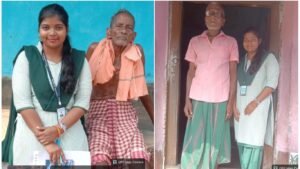
ଗ୍ରାମର ବୟୋଜ୍ୟେଷ୍ଠ ବାସିନ୍ଦା ଶ୍ରୀଯୁକ୍ତ ନିତ୍ୟାନନ୍ଦ ମହାପାତ୍ର (୬୭)ଙ୍କ ମତାନୁସାରେ, ଗାଁର ପ୍ରଥମ ବାସିନ୍ଦା ଥିଲେ ମାତ୍ର ଦୁଇଟି ପରିବାର—ପ୍ରଧାନ ବଂଶ ଓ ସ୍ୱାଇଁ ବଂଶ, ଯାହା କାଳକ୍ରମେ ମହାପାତ୍ର ବଂଶ ଭାବେ ପରିଚିତ ହେଲା । ସେତେବେଳେ ଗାଁରେ ମାତ୍ର ୭ଟି ଘର ଓ ୩୦ ଜଣ ଲୋକ ଥିଲେ, ଚାରିପାଖ ଘଞ୍ଚ ଜଙ୍ଗଲରେ ଆଚ୍ଛାଦିତ ଥିଲା ଏବଂ ଦକ୍ଷିଣ ଦିଗରେ ଗୋଟିଏ ପୋଖରୀ ଓ ଗୋଟିଏ ଚୁଆ ଥିଲା । କିନ୍ତୁ ବର୍ତ୍ତମାନ ଗାଁର ରୂପରେଖରେ ବ୍ୟାପକ ପରିବର୍ତ୍ତନ ଘଟି ଚାଳ ଛପର ଓ ମାଟି ଘର ସ୍ଥାନରେ ଧାଡ଼ି ଧାଡ଼ି କୋଠା ଘର ନିର୍ମାଣ ହୋଇଛି । ବିଭିନ୍ନ ସମ୍ପ୍ରଦାୟର ଲୋକ ବସବାସ କରୁଥିବା ଏହି ଗାଁରେ ବର୍ତ୍ତମାନ ପ୍ରାୟ ୩୧୫ଟି ଘର ଏବଂ ପ୍ରାୟ ୩,୦୦୦ ଜନସଂଖ୍ୟା ରହିଛି ।
ଜଳ ସମ୍ପଦ ଓ ଗମନାଗମନ
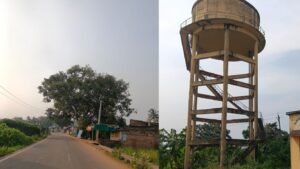
ଗ୍ରାମର ଅନ୍ୟତମ ବୟୋଜ୍ୟେଷ୍ଠ ବ୍ୟକ୍ତି ଶିବ ସାହୁ— ଜଳ ସମ୍ପଦ ଓ ଗମନାଗମନ । ଗ୍ରାମର ଅନ୍ୟତମ ବୟୋଜ୍ୟେଷ୍ଠ ବ୍ୟକ୍ତି ଶିବ ସାହୁ, ବୟସ ୭୫, ଗ୍ରାମର ଜଳ ସମ୍ପଦ ଓ ଗମନାଗମନ କ୍ଷେତ୍ରରେ ତାଙ୍କର ଅଭିଜ୍ଞତା ଉପସ୍ଥାପନା କରିଥିଲେ । ତାଙ୍କ ମତରେ ପୂର୍ବ କାଳରେ ଆମ ଗ୍ରାମରେ ଜଳ ସମ୍ପଦର ମୁଖ୍ୟ ଉତ୍ସ ଥିଲା ଗୋଟିଏ ପୋଖରୀ । ସେତେବେଳେ କୂଅ କିମ୍ବା ନଳକୂପର ବ୍ୟବସ୍ଥା ନ ଥିଲା । ଖରା ଦିନେ ପିଇବା ପାଣି ସଂଗ୍ରହ କରିବା କଷ୍ଟକର ଥିଲା । ଠିକ୍ ସେହିପରି ଗମନାଗମନ କ୍ଷେତ୍ରରେ ମଧ୍ୟ କୌଣସି ଉନ୍ନତି ହୋଇ ନ ଥିଲା । ଗ୍ରାମ ମଧ୍ୟରେ ମାଟି ଓ କଞ୍ଚା ରାସ୍ତା ଯାହାକି ବର୍ଷା ଦିନରେ ପଙ୍କ କାଦୁଅରେ ପରିପୂର୍ଣ୍ଣ ହୋଇଥିଲା । ମୁଖ୍ୟ ରାସ୍ତାଟି ମଧ୍ୟ କଞ୍ଚା ରାସ୍ତା ଥିଲା । ଶଗଡ଼ ବ୍ୟତୀତ ରାସ୍ତାରେ ଅନ୍ୟ କୌଣସି ଯାନବାହନର ପ୍ରଚଳନ ନ ଥିଲା । ଦୂର ସ୍ଥାନକୁ ଗ୍ରାମବାସୀମାନେ ପାଦରେ ଚାଲି ଚାଲି କିମ୍ବା ଶଗଡ଼ରେ ଯାତ୍ରା କରୁଥିଲେ । କିନ୍ତୁ ବର୍ତ୍ତମାନ ସମୟରେ ଆମ ଗ୍ରାମରେ ଜଳ ସମ୍ପଦ ଓ ଗମନାଗମନ ବ୍ୟବସ୍ଥାରେ ଅଭୂତପୂର୍ବ ଉନ୍ନତି ଘଟିଛି । ବର୍ତ୍ତମାନ ପାନୀୟ ଜଳ ପାଇଁ ପ୍ରତ୍ୟେକ ସାହିରେ ନଳକୂପ ଓ ପାଇପ୍ ଯୋଗେ ଜଳ ଯୋଗାଣର ବ୍ୟବସ୍ଥା କରିଦେଇଛି ଓ ଚାଷୀମାନଙ୍କ ପାଇଁ ଉଠା ଜଳସେଚନ ଓ କେନାଲ ବନ୍ଧର ସୁବିଧା ଅଛି । ଗ୍ରାମ ମଧ୍ୟରେ ପକ୍କା ରାସ୍ତା ନିର୍ମାଣ କରାଯାଇଛି । ଗ୍ରାମର ମୁଖ୍ୟ ରାସ୍ତାଟି ୧୬ ନମ୍ବର ଜାତୀୟ ରାଜପଥ ସହିତ ସଂଯୋଗ ହେବା ସହିତ ଜଗନ୍ନାଥ ସଡ଼କ ସହ ମଧ୍ୟ ସଂଯୁକ୍ତ ହୋଇଛି । ଏହି ରାସ୍ତାଟି ପୁରୀ ଠାରୁ ସୋରଣକୁଳ ପର୍ଯ୍ୟନ୍ତ ସଂଯୁକ୍ତ ହୋଇଛି ଏବଂ ବହୁ ସଂଖ୍ୟାରେ ଯାନବାହନର ଯାତାୟାତ ହେତୁ ଗ୍ରାମବାସୀମାନେ ବିଭିନ୍ନ ସ୍ଥାନକୁ ଅନାୟାସରେ ଯାତ୍ରା କରିପାରୁଛନ୍ତି ।
କୃଷି ଓ ଖାଦ୍ୟପେୟର କ୍ରମବିକାଶ
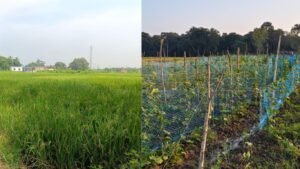
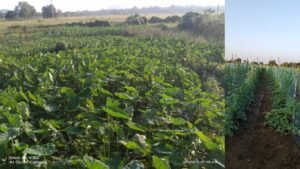
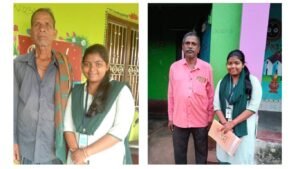
କୃଷି ଓ ଖାଦ୍ୟ ପେୟର କ୍ରମବିକାଶ । ଗ୍ରାମର ଆଉ ଜଣେ ବାସିନ୍ଦା ଶ୍ରୀ ସୁରଥ ସାହୁ, ବୟସ ୭୮ ଙ୍କ ମୁଖବାଣୀରୁ ଗ୍ରାମର କୃଷି ଓ ଖାଦ୍ୟ ପେୟ କ୍ଷେତ୍ରରେ ତାଙ୍କର ଅଭିଜ୍ଞତା ଉପସ୍ଥାପନା କରିଥିଲେ । ପୂର୍ବେ ଆମ ଗ୍ରାମର ଅଧିବାସୀ କେବଳ କୃଷି କାର୍ଯ୍ୟ କରି ଜୀବିକା ନିର୍ବାହ କରୁଥିଲେ । ଧାନ ଓ ମାଣ୍ଡିଆ ଥିଲା ପ୍ରଧାନ କୃଷିଜାତ ଖାଦ୍ୟ ଓ ମୁଗ, ବିରି ଓ କୋଳଥ ଇତ୍ୟାଦି ରବି ଫସଲ ମଧ୍ୟ କରାଯାଉଥିଲା । କୃଷି କାର୍ଯ୍ୟ ପାଇଁ ଆଧୁନିକ କୃଷି ଯନ୍ତ୍ରପାତିର ପ୍ରଚଳନ ନ ଥିବାରୁ ଚାଷୀମାନେ ବଳଦ, ହଳ, ଲଙ୍ଗଳ ଉପରେ ନିର୍ଭରଶୀଳ ଥିଲେ । ଆମ ଗ୍ରାମର ଅଧିବାସୀମାନେ ଅତ୍ୟନ୍ତ ପରିଶ୍ରମୀ ଥିଲେ । ଆମ ଗାଁଟି ବୋଧହୁଏ ସାରୁ ଚାଷ ପାଇଁ ଉପଯୋଗୀ ଥିଲା । ତେଣୁ ଗ୍ରାମର ଲୋକମାନେ ବିଭିନ୍ନ ଅଞ୍ଚଳରେ ସାରୁ ଚାଷ କରୁଥିଲେ ଏବଂ ଏହା ଦ୍ୱାରା ତାଙ୍କର ମୁଖ୍ୟ ଅର୍ଥକାରୀ ଫସଲ, କିନ୍ତୁ ଏହି ଫସଲ ପାଇଁ ଆମ ଗାଁ ପ୍ରସିଦ୍ଧ ଥିଲା । ପୂର୍ବେ ଚାଷ ଜମିରେ କେବଳ ଗୋବର ଖତ ଓ ପ୍ରାକୃତିକ ସାର ବ୍ୟବହାର କରାଯାଉଥିଲା । ଚାଷ କାର୍ଯ୍ୟ ପାଇଁ କେବଳ ବର୍ଷା ଜଳ ଉପରେ ନିର୍ଭର କରିବାକୁ ପଡ଼ୁଥିଲା । ଗ୍ରାମବାସୀମାନେ କେତେକ କୂଅରୁ ପାଣି ବୁହାଇ ସାରୁକୁ ଏବଂ ପନିପରିବା ମଧ୍ୟ ଚାଷ କରୁଥିଲେ । ବର୍ଷା ଜଳ ବ୍ୟତୀତ ଗ୍ରାମବାସୀମାନେ ଚାଷ ଉଡ଼ିଲେ ବରଷେ ନୀତିରେ ଅସହାୟ ହୋଇପଡ଼ୁଥିଲେ । କିନ୍ତୁ ବର୍ତ୍ତମାନ ସମୟରେ କୃଷି କାର୍ଯ୍ୟରେ ବହୁ ପରିବର୍ତ୍ତନ ଘଟିଛି । ପୂର୍ବ କାଳରେ ଲୋକମାନେ ନିଜ ହାତରେ ଓ ପାରମ୍ପରିକ ଉପକରଣ ସାହାଯ୍ୟରେ ଚାଷ କାର୍ଯ୍ୟ କରୁଥିଲେ, କିନ୍ତୁ ଆଜିର ଆଧୁନିକ ଯୁଗରେ ବିଜ୍ଞାନ ଓ ବୈଷୟିକ ଜ୍ଞାନର ପ୍ରଭାବରେ କୃଷି କାର୍ଯ୍ୟ ଅଧିକ ସହଜ ଓ ଉନ୍ନତି ହୋଇପାରିଛି । ବର୍ତ୍ତମାନ ଚାଷୀମାନେ ଟ୍ରାକ୍ଟର, ଧାନ ରୁଆ ଯନ୍ତ୍ର, ଧାନ କଟା ଯନ୍ତ୍ର, ଧାନ ମଡ଼ାଇବା ଯନ୍ତ୍ର, ଶକ୍ତିଚାଳିତ କୃଷି ଯନ୍ତ୍ର ଆଦି ବ୍ୟବହାର କରୁଛନ୍ତି । ଏହା ଦ୍ୱାରା କମ୍ ସମୟ ଓ କମ୍ ପରିଶ୍ରମରେ ଅଧିକ ଜମିରେ ଚାଷ କରିବା ସମ୍ଭବ ହେଉଛି । ବର୍ତ୍ତମାନ ଚାଷୀମାନେ ଉନ୍ନତ ମାନର ବିହନ, ରାସାୟନିକ ସାର, ଜୈବିକ କୀଟନାଶକ ଔଷଧ ବ୍ୟବହାର କରୁଛନ୍ତି ଏବଂ ସମୟରେ ବିଭିନ୍ନ ପନିପରିବାଠାରୁ ଆରମ୍ଭ କରି ଶସ୍ୟ ଜାତୀୟ ଖାଦ୍ୟ ଶସ୍ୟ ଚାଷୀମାନେ ନୂତନ ନୂତନ ପ୍ରଣାଳୀ ଅବଲମ୍ବନ କରି ବିଭିନ୍ନ ପ୍ରକାରର ଫସଲ ଉତ୍ପାଦନ କରୁଛନ୍ତି । ଲୋକମାନେ କେବଳ ନିଜର ଆବଶ୍ୟକତା ପାଇଁ ନୁହେଁ, ବରଂ ବଜାରରେ ବିକ୍ରି କରି ଆର୍ଥିକ ଲାଭ ପାଇବା ଉଦ୍ଦେଶ୍ୟରେ ମଧ୍ୟ ବିଭିନ୍ନ ଫସଲ ଚାଷ କରୁଛନ୍ତି । ଉଠା ଜଳସେଚନ ପ୍ରକଳ୍ପ ବସିଥିବାରୁ ବର୍ଷା ଜଳ ବିନା ସେମାନଙ୍କର ଶସ୍ୟ ହାନି ହେଉନାହିଁ
ଖାଦ୍ୟ ପେୟ । ପୂର୍ବ କାଳରେ ଆମ ଗ୍ରାମ ଲୋକମାନଙ୍କର ଖାଦ୍ୟ ପେୟ ଅତ୍ୟନ୍ତ ସରଳ, ସ୍ୱାଭାବିକ ଓ ପାରମ୍ପରିକ ଥିଲା । ସେତେବେଳେ ଲୋକମାନେ ମାଣ୍ଡିଆ, ଗହମ ଆଦି ଶସ୍ୟ ଜାତୀୟ ଖାଦ୍ୟ ଖାଇ ଜୀବନ ଅତିବାହିତ କରୁଥିଲେ । ପୂର୍ବ କାଳରେ ମଧ୍ୟ ଗ୍ରାମର ଲୋକମାନଙ୍କର ଆର୍ଥିକ ଅବସ୍ଥା ସେତେଟା ଭଲ ନ ଥିଲା । ପ୍ରାୟ ଲୋକଙ୍କ ପାଖରେ ଟଙ୍କା ପଇସା ଅଭାବ ରହୁଥିଲା । ସେମାନେ ଦିନରାତି କଠିନ ପରିଶ୍ରମ କରି ଅତି କଷ୍ଟରେ ନିଜ ପରିବାରର ଭରଣପୋଷଣ କରୁଥିଲେ । ବେଳେବେଳେ ଦୁଇ ଓଳି ଖାଦ୍ୟ ଯୋଗାଡ଼ କରିବା ମଧ୍ୟ ସେମାନଙ୍କ ପାଇଁ କଷ୍ଟକର ହୋଇପଡ଼ୁଥିଲା । ତଥାପି ସେମାନେ ସମସ୍ତେ ଦୁଃଖ କଷ୍ଟକୁ ସହ୍ୟ କରି ନିଜ ପରିବାର ସହିତ ଜୀବନ ବିତାଉଥିଲେ । ସେହି ସମୟରେ ଖାଦ୍ୟ ପେୟର ଆଡ଼ମ୍ବର ନ ଥିଲା, କିନ୍ତୁ ବର୍ତ୍ତମାନ ସମୟରେ ଲୋକମାନଙ୍କ ଖାଦ୍ୟ ପେୟରେ ବହୁ ପରିବର୍ତ୍ତନ ଘଟିଛି । ଗରିବୀ ଓ ଅଭାବ ନ ଥିବାରୁ ବର୍ତ୍ତମାନ ସେମାନେ ନିଜ ମନପସନ୍ଦର ଖାଦ୍ୟ ପେୟ ଗ୍ରହଣ କରୁଛନ୍ତି ।
ଶିକ୍ଷା
ଗ୍ରାମର ଗୁରୁଜନମାନଙ୍କଠାରୁ ଅବଗତ ହେଲି ଯେ ଆମ ଗାଁର ଶିକ୍ଷା କ୍ଷେତ୍ରରେ ବହୁ ବିଳମ୍ବରେ ଉନ୍ନତି ଲାଭ କରିଥିଲା । ଅଭାବ, ଅସୁବିଧା ଏବଂ ଶିକ୍ଷାନୁଷ୍ଠାନର ଅଭାବରୁ ଏହା ଅବହେଳିତ ହୋଇଥିଲା । ସେ ସମୟରେ ଶିକ୍ଷାଦାନର ଏକମାତ୍ର ମାଧ୍ୟମ ଥିଲା ଚାଟଶାଳୀ । ଶିକ୍ଷା ସଚେତନତା ନ ଥିବାରୁ ଏଠାରେ ବହୁତ କମ୍ ପିଲା ପାଠ ପଢ଼ୁଥିଲେ । ପରବର୍ତ୍ତୀ ସମୟରେ ଗ୍ରାମବାସୀଙ୍କର ଶିକ୍ଷା ପ୍ରତି ଆଗ୍ରହ ଓ ଉଦ୍ୟମ ଫଳରେ ୧୯୫୩ ମସିହାରେ ଆମ ଗାଁରେ ପ୍ରାଥମିକ ବିଦ୍ୟାଳୟ ସ୍ଥାପିତ ହୋଇଥିଲା । କହିବା ବାହୁଲ୍ୟ ଆମ ଗ୍ରାମରେ ମାତ୍ର ୧୫ ଜଣ ଛାତ୍ରଙ୍କୁ ନେଇ ବିଦ୍ୟାଳୟ ଆରମ୍ଭ ହୋଇଥିଲା ।
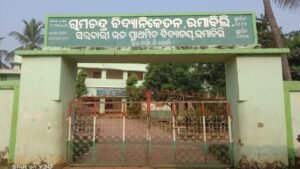
୧୯୬୮ ମସିହାରେ ପ୍ରଥମେ ମାଟ୍ରିକ୍ ପାସ୍ କରିଥିଲେ ଶ୍ରୀଯୁକ୍ତ ଦୁର୍ଯ୍ୟୋଧନ ସାହୁ । ପ୍ରାଥମିକ ଶିକ୍ଷା ପରେ ପିଲାମାନେ ଉଚ୍ଚ ପ୍ରାଥମିକ ଏବଂ ଉଚ୍ଚ ବିଦ୍ୟାଳୟ ଶିକ୍ଷା ପାଇଁ ଛଣଗିରି କିମ୍ବା ଓଳସିଂହ ହାଇସ୍କୁଲକୁ ପାଠ ପଢ଼ିବା ପାଇଁ ଯାଉଥିଲେ । ଏଥିପାଇଁ ପ୍ରତିଦିନ ତାଙ୍କୁ ୫ ରୁ ୬ କିଲୋମିଟର ଯିବା ଆସିବା କରିବାକୁ ପଡ଼ୁଥିଲା । ଗ୍ରାମର ବାଳିକାମାନେ ଏଥିପାଇଁ ଉଚ୍ଚ ଶିକ୍ଷାରୁ ବଞ୍ଚିତ ହେଉଥିଲେ । ଶିକ୍ଷାର ଏହି ସମସ୍ୟାକୁ ଉପଲବ୍ଧ କରି ଆମ ଗ୍ରାମର ସୁଯୋଗ୍ୟ ସନ୍ତାନ ଦିବଙ୍ଗତ ପରମେଶ୍ୱର ମହାପାତ୍ର ଆମ ଗାଁରେ ଉଚ୍ଚ ବିଦ୍ୟାଳୟ ସ୍ଥାପନ କରିବା ପାଇଁ ଉଦ୍ୟମ କଲେ । ୧୯୯୭ ମସିହାରେ ରାମଚନ୍ଦ୍ର ବିଦ୍ୟାନିକେତନ ନାମରେ ଉଚ୍ଚ ବିଦ୍ୟାଳୟଟିଏ ସ୍ଥାପିତ ହେଲା । ୨୫ ଜଣ ଛାତ୍ରଛାତ୍ରୀମାନଙ୍କୁ ନେଇ ବିଦ୍ୟାଳୟରେ ଶିକ୍ଷାଦାନ ଆରମ୍ଭ ହୋଇଥିଲା । ଫଳସ୍ୱରୂପ ଗ୍ରାମର ପିଲାମାନଙ୍କୁ ଆଉ ବାହାରକୁ ଯିବାକୁ ପଡ଼ୁ ନ ଥିଲା ଏବଂ ଗାଁର ଝିଅମାନେ ଉଚ୍ଚ ଶିକ୍ଷା କରିପାରିଲେ । ପୂର୍ବରୁ ଗାଁର ପିଲାମାନେ ଉଚ୍ଚ ଶିକ୍ଷା କରି ନ ପାରି ନିଜର ଜୀବିକା ନିର୍ବାହ ପାଇଁ ରାଜ୍ୟ ବାହାରକୁ ଯାଇ ମଜୁରୀ କରୁଥିଲେ । ପ୍ରାୟ ଶତକଡ଼ା ୪୦ ଭାଗ ଲୋକେ ବାହାର ରାଜ୍ୟକୁ ଯାଇ ସ୍ୱଳ୍ପ ପରିଶ୍ରମରେ ଖଟୁଥିଲେ । ବର୍ତ୍ତମାନ ଆମ ରାଜ୍ୟରେ ଆମ ଗ୍ରାମର ଶୈକ୍ଷିକ ଅବସ୍ଥା ବେଶ୍ ଉନ୍ନତ । ବର୍ତ୍ତମାନ ଗ୍ରାମର ଘରେ ଘରେ ଉଚ୍ଚ ଶିକ୍ଷିତ ପିଲାମାନେ ସରକାରୀ ଓ ବେସରକାରୀ ଚାକିରିରେ କାର୍ଯ୍ୟରତ ମଧ୍ୟ ।
ଶିକ୍ଷା କ୍ଷେତ୍ରରେ ଗାଁ ବହୁ ବିଳମ୍ବରେ ଉନ୍ନତି ଲାଭ କରିଥିଲା ଏବଂ ପୂର୍ବରୁ କେବଳ ଚାଟଶାଳୀ ଥିବାରୁ ଅନେକ ଯୁବକ ଜୀବିକା ପାଇଁ ବାହାର ରାଜ୍ୟକୁ ଯାଇ ମଜୁରୀ କରୁଥିଲେ । ୧୯୫୩ରେ ୧୫ ଜଣ ଛାତ୍ରଙ୍କୁ ନେଇ ପ୍ରାଥମିକ ବିଦ୍ୟାଳୟ ସ୍ଥାପିତ ହେଲା ଏବଂ ୧୯୬୮ରେ ଶ୍ରୀଯୁକ୍ତ ଦୁର୍ଯ୍ୟୋଧନ ସାହୁ ପ୍ରଥମେ ମାଟ୍ରିକ୍ ପାସ୍ କଲେ । ଉଚ୍ଚ ଶିକ୍ଷା ପାଇଁ ୫–୬ କିଲୋମିଟର ଦୂର ଛଣଗିରି ବା ଓଳସିଂହ ଯିବାକୁ ପଡ଼ୁଥିବାରୁ ଝିଅମାନେ ଅସୁବିଧାରେ ପଡ଼ୁଥିଲେ । ୧୯୯୭ରେ ଦିବଙ୍ଗତ ପରମେଶ୍ୱର ମହାପାତ୍ରଙ୍କ ଉଦ୍ୟମରେ ‘ରାମଚନ୍ଦ୍ର ବିଦ୍ୟାନିକେତନ’ ଉଚ୍ଚ ବିଦ୍ୟାଳୟ ପ୍ରତିଷ୍ଠା ହେବା ପରେ ଶିକ୍ଷାର ବିକାଶ ଘଟିଲା । ଆଜି ଗାଁର ଉଚ୍ଚ ପ୍ରାଥମିକ ବିଦ୍ୟାଳୟରେ ପ୍ରାୟ ୩୦୦ ଓ ଉଚ୍ଚ ବିଦ୍ୟାଳୟରେ ପ୍ରାୟ ୨୦୦ ଛାତ୍ରଛାତ୍ରୀ ପଢ଼ୁଛନ୍ତି ଏବଂ ଗାଁରୁ ଇଞ୍ଜିନିୟର, ଶିକ୍ଷକ, ପୁଲିସ ଅଧିକାରୀ, ହିସାବ ରକ୍ଷକ ତଥା ଡକ୍ଟରେଟ୍ (ଶ୍ରୀଯୁକ୍ତ ବିଜୟ କୁମାର ସେଠୀ ଓ ଶ୍ରୀଯୁକ୍ତ ପ୍ରଶାନ୍ତ ମହାପାତ୍ର) ଧାରୀ ବାହାରିଛନ୍ତି ।
ସ୍ୱାସ୍ଥ୍ୟ ସେବା
ପୂର୍ବ କାଳରେ ଗ୍ରାମରେ ସ୍ୱାସ୍ଥ୍ୟ ସେବାର କୌଣସି ସୁବିଧା ଉପଲବ୍ଧ ନ ଥିଲା । ସେହି ସମୟରେ ଗ୍ରାମରେ ଡାକ୍ତରଖାନା, ସ୍ୱାସ୍ଥ୍ୟ କେନ୍ଦ୍ର କିମ୍ବା ଆଧୁନିକ ଚିକିତ୍ସା ବ୍ୟବସ୍ଥା ନ ଥିବାରୁ ଲୋକମାନେ ପାରମ୍ପରିକ ଚିକିତ୍ସା ପଦ୍ଧତି ଉପରେ ନିର୍ଭରଶୀଳ ଥିଲେ । ରୋଗ ବ୍ୟାଧିରେ ଲୋକମାନେ ବିଭିନ୍ନ ଗଛଲତା, ଚେରମୂଳ ଓ ପତ୍ର ସଂଗ୍ରହ କରି ସେଥିରେ ଔଷଧୀୟ ରସ ପ୍ରସ୍ତୁତ କରି ରୋଗୀଙ୍କୁ ପିଇବାକୁ ଦେଉଥିଲେ । ଏହାଛଡ଼ା ରୋଗରେ ଚିକିତ୍ସା ବିଷୟରେ ଯଥେଷ୍ଟ ଜ୍ଞାନ ଓ ସଚେତନତା ନ ଥିବାରୁ ଅନେକ ସମୟରେ ଲୋକମାନେ ରୋଗରେ ଉପଯୁକ୍ତ ଚିକିତ୍ସା ପାଇପାରୁ ନ ଥିଲେ । ସେ ସମୟରେ ଆମ ଗ୍ରାମରେ ହଇଜା, ବସନ୍ତ, ବାତଜ୍ୱର ଭଳି ବିଭିନ୍ନ ସଂକ୍ରାମକ ରୋଗ ଦେଖାଯାଉଥିଲା । ବିଶେଷ କରି ମଶା ଓ ମାଛିଙ୍କ ପ୍ରାଦୁର୍ଭାବ ଅଧିକ ଥିବାରୁ ଲୋକମାନେ ମ୍ୟାଲେରିଆ ଭଳି ମଶା ବାହିତ ରୋଗରେ ଆକ୍ରାନ୍ତ ହେଉଥିଲେ । ସେତେବେଳେ ଲୋକମାନଙ୍କ ମଧ୍ୟରେ ସ୍ୱାସ୍ଥ୍ୟ ଓ ପରିମଳ ସମ୍ବନ୍ଧୀୟ ସଚେତନତାର ଅଭାବ ରହିଥିଲା । ଅଧିକାଂଶ ପରିବାର ମଶାରୀ ବ୍ୟବହାର କରୁ ନ ଥିଲେ ଓ ଫଳରେ ମଶା କାମୁଡ଼ିବା ଦ୍ୱାରା ବିଶେଷ କରି ଛୋଟ ପିଲା ଓ ବୟସ୍କ ବ୍ୟକ୍ତିମାନେ ଜ୍ୱରରେ ପୀଡ଼ିତ ହେଉଥିଲେ । ଉପଯୁକ୍ତ ଚିକିତ୍ସା ଔଷଧର ଅଭାବରୁ ଅନେକ ରୋଗୀଙ୍କ ଅବସ୍ଥା ଗୁରୁତର ହୋଇପଡ଼ୁଥିଲା । ବର୍ତ୍ତମାନ ସମୟରେ ଆମ ଗ୍ରାମରେ ଲୋକଙ୍କ ମଧ୍ୟରେ ସ୍ୱାସ୍ଥ୍ୟ ପ୍ରତି ପୂର୍ବ ଅପେକ୍ଷା ଅଧିକ ସଚେତନତା ସୃଷ୍ଟି ହୋଇଛି ଓ ଲୋକମାନେ ବର୍ତ୍ତମାନ ରୋଗ ବ୍ୟାଧିର ଚିକିତ୍ସା ପାଇଁ ଆଧୁନିକ ଔଷଧ ଓ ଡାକ୍ତରୀ ପରାମର୍ଶ ଉପରେ ଅଧିକ ନିର୍ଭରଶୀଳ ହେଉଛନ୍ତି । ତଥାପି ଆମ ଗ୍ରାମରେ ବର୍ତ୍ତମାନ ମଧ୍ୟ ସ୍ୱାସ୍ଥ୍ୟ ସେବା କ୍ଷେତ୍ରରେ କେତେକ ସମସ୍ୟା ରହିଛି । ଆମ ଗ୍ରାମରେ ନିଜସ୍ୱ ସରକାରୀ ଡାକ୍ତରଖାନା କିମ୍ବା ସ୍ୱାସ୍ଥ୍ୟ କେନ୍ଦ୍ର ନ ଥିବାରୁ ଗ୍ରାମବାସୀମାନଙ୍କୁ ସାଧାରଣ ରୋଗ ବ୍ୟାଧିର ଚିକିତ୍ସା ପାଇଁ ପ୍ରାୟ ୨ କିଲୋମିଟର ଓଳସିଂହ ସରକାରୀ ମେଡିକାଲ ଓ ଅନ୍ୟ ପକ୍ଷରେ ଉନ୍ନତ ଚିକିତ୍ସା କିମ୍ବା ଗୁରୁତର ରୋଗର ଚିକିତ୍ସା ନିମନ୍ତେ ପ୍ରାୟ ୨୦ କିଲୋମିଟର ଦୂର ଅବସ୍ଥିତ ଖୋର୍ଦ୍ଧା ଡାକ୍ତରଖାନାକୁ ଯିବାକୁ ପଡ଼ୁଛି । ଆମ ଗ୍ରାମରେ ଘରୋଇ ଡାକ୍ତରଖାନା ଯାହା ଅଛି, ଲୋକମାନେ ସେଠାକୁ ପ୍ରାୟ ଯାଉଛନ୍ତି । ଏହା ଦ୍ୱାରା ବିଶେଷ ଜରୁରୀକାଳୀନ ପରିସ୍ଥିତିରେ ରୋଗୀ ଓ ତାଙ୍କର ପରିବାର ବର୍ଗ ଅନେକ ଅସୁବିଧାର ସମ୍ମୁଖୀନ ହେଉଛନ୍ତି ।
ଗ୍ରାମୀଣ ବଜାର
ଗ୍ରାମୀଣ ବଜାର ହେଉଛି ଗ୍ରାମାଞ୍ଚଳ ଲୋକମାନଙ୍କ ଆର୍ଥିକ ଓ ସାମାଜିକ ଜୀବନର ଏକ ଗୁରୁତ୍ୱପୂର୍ଣ୍ଣ ଅଂଶ । ଲୋକମାନଙ୍କ ପାଖରେ ରୋଜଗାରର କ୍ଷମତା କମ୍ ଥିବାରୁ ସେମାନଙ୍କର କ୍ରୟ କ୍ଷମତା ମଧ୍ୟ କମ୍ ଥିଲା । ଏହାର ପ୍ରଭାବ ଗ୍ରାମ ବଜାର ଉପରେ ପଡ଼ୁଥିଲା । ସେହି ସମୟର ଦୋକାନ ବଜାର ବ୍ୟବସ୍ଥା ଥିଲା ବହୁତ କମ୍, ମାତ୍ର ଦୁଇଟି ଦୋକାନ ଥିଲା । ଲୋକମାନେ ନିଜର ଆବଶ୍ୟକୀୟ ସାମଗ୍ରୀ କିଣିବା ପାଇଁ ଅନ୍ୟ ଗ୍ରାମ କିମ୍ବା ନିକଟସ୍ଥ ବଜାର ଉପରେ ନିର୍ଭର କରୁଥିଲେ । କିନ୍ତୁ ବର୍ତ୍ତମାନ ସମୟରେ ଗ୍ରାମର ଆର୍ଥିକ ବ୍ୟବସ୍ଥା ଓ ଜୀବନଯାପନରେ ଅନେକ ପରିବର୍ତ୍ତନ ଘଟିଛି । ରୋଜଗାରର ସୁଯୋଗ ବୃଦ୍ଧି ପାଇବା ସହ ଗ୍ରାମର ବିଭିନ୍ନ ପ୍ରକାର ଦୋକାନ ବଜାର ଗଢ଼ିଉଠିଛି । ଗାଁରେ ପନିପରିବା ଦୋକାନ, ରାସନ ଦୋକାନ, ଭେରାଇଟି ଷ୍ଟୋର, ଚା’ ଦୋକାନ, ଘରୋଇ ମେଡିକାଲ ଦୋକାନ, ଜେରକ୍ସ ଦୋକାନ, ସାଇକେଲ ମରାମତି ଦୋକାନ, ଗ୍ୟାରେଜ ଦୋକାନ, ଇଲେକ୍ଟ୍ରିକ୍ ଦୋକାନ, ଜଳଖିଆ ଦୋକାନ ଇତ୍ୟାଦି ରହିଛି । ଗ୍ରାମର କେତେକ ଲୋକ ନିଜ ଜମିରେ ବିଭିନ୍ନ ପ୍ରକାର ଚାଷ କରି ସେହି କୃଷିଜାତ ଦ୍ରବ୍ୟକୁ ତୋଳି ଆଣି ହାଟରେ ବିକ୍ରି କରୁଛନ୍ତି ।
ଧାର୍ମିକ ବିଶ୍ୱାସ, ପର୍ବପର୍ବାଣୀ ଓ ସଂସ୍କୃତି
ଧାର୍ମିକ ବିଶ୍ୱାସ ଓ ପର୍ବପର୍ବାଣୀ ଓ ସଂସ୍କୃତି । ଜଣୈକ ବୃଦ୍ଧ ବ୍ୟକ୍ତି ଅଇଁଠା ସାହୁ, ବୟସ ୯୦ ଙ୍କ ମତରେ ପୂର୍ବ କାଳରେ ଆମର ରମା ବିଲି ଗ୍ରାମରେ ଲୋକମାନେ ଧର୍ମ ଦେବାଦେବୀ ପାରମ୍ପରିକ ରୀତିନୀତି ପ୍ରତି ଗଭୀର ବିଶ୍ୱାସ ରଖୁଥିଲେ । ସେହି ସମୟରେ ଲୋକମାନେ ନିଜ ନିଜ ଧର୍ମୀୟ ପରମ୍ପରା ଅନୁସାରେ ପୂଜାପାଠ କରୁଥିଲେ । ଗ୍ରାମରେ ଥିବା ଦେବାଦେବୀଙ୍କ ମନ୍ଦିରଗୁଡ଼ିକୁ ଲୋକମାନଙ୍କର ଆସ୍ଥା ଓ ବିଶ୍ୱାସର କେନ୍ଦ୍ର ଥିଲା । ଗ୍ରାମରେ ଲୋକମାନେ ପଣା ସଂକ୍ରାନ୍ତି, ଦୁର୍ଗା ପୂଜା, ରଜ ପର୍ବ ଥିଲା । ଏହି ପର୍ବକୁ ପାରମ୍ପରିକ ରୀତିନୀତି ଅନୁସାରେ ପାଳନ କରୁଥିଲେ । ଏହା ସହିତ ବିଭିନ୍ନ ଦେବାଦେବୀଙ୍କ ପୂଜା ଓ ମନ୍ଦିର ହେଉଥିବା ଧାର୍ମିକ ଉତ୍ସବ ଗ୍ରାମବାସୀଙ୍କ ମଧ୍ୟରେ ଏକତା ଓ ସହଯୋଗ ଭାବନାକୁ ଦୃଢ଼ କରିଥାଏ । ପୂର୍ବ କାଳରେ ଆମ ଗ୍ରାମର ଲୋକମାନଙ୍କର ପିଠାପଣାକୁ ସ୍ୱତନ୍ତ୍ର ସ୍ଥାନ ରହିଥିଲା । ସେହି ସମୟରେ ଲୋକମାନେ ଘରେ ବିଭିନ୍ନ ପ୍ରକାରର ପାରମ୍ପରିକ ପିଠା ପ୍ରସ୍ତୁତ କରୁଥିଲେ, ସେଥିମଧ୍ୟରୁ ଆରିସା ପିଠା, ସୁଜି ମଣ୍ଡା, ପୋଡ଼ ପିଠା ଆଦି ଅନ୍ୟତମ ଥିଲା । ଘରେ ଘରେ ପିଠାପଣା ପ୍ରସ୍ତୁତ କରାଯାଉଥିଲା । ଏହି ପିଠାପଣା କେବଳ ଖାଦ୍ୟ ନ ଥିଲା, ବରଂ ଏହା ଗ୍ରାମବାସୀଙ୍କ ପରମ୍ପରା, ଆତ୍ମୀୟତା ଓ ସାମାଜିକ ମିଳାମିଶାର ଏକ ସୁନ୍ଦର ପ୍ରତୀକ ଥିଲା । ଲୋକମାନେ ପରସ୍ପର ମଧ୍ୟରେ ପିଠାପଣା ବାଣ୍ଟି ଖାଇ ଆନନ୍ଦ ଉତ୍ସାହ ସହିତ ପର୍ବପର୍ବାଣୀ ପାଳନ କରୁଥିଲେ । ବର୍ତ୍ତମାନ ସମୟରେ ମଧ୍ୟ ଆମ ଗ୍ରାମରେ ଧାର୍ମିକ ବିଶ୍ୱାସ ଓ ପର୍ବପର୍ବାଣୀ ସଂସ୍କୃତିର ବିଶେଷ ପରିବର୍ତ୍ତନ ଘଟି ନାହିଁ । ଆଧୁନିକତାର ପ୍ରଭାବରେ ଲୋକମାନେ ଜୀବନଶୈଳୀ, ଚିନ୍ତାଧାରା, ଉତ୍ସବ ପାଳନ କରିବାର ପଦ୍ଧତିରେ କିଛି ନୂତନତା ଦେଖାଦେଇଥିଲେ ମଧ୍ୟ ଗ୍ରାମବାସୀଙ୍କ ମନରେ ଧର୍ମ ଓ ଦେବାଦେବୀଙ୍କ ପ୍ରତି ରହିଥିବା ଆସ୍ଥା ଓ ବିଶ୍ୱାସ ଆଜି ମଧ୍ୟ ଅତୁଟ ରହିଛି । ଗ୍ରାମରେ ଥିବା ଶିବ ମନ୍ଦିର, ହନୁମାନ ମନ୍ଦିର, ବ୍ରଜବିହାରୀ ଶ୍ରୀ ଚୈତନ୍ୟ ମଠ, ତାରିଣୀ ମନ୍ଦିର, ଗ୍ରାମବାସୀ ଛୋଟ ବଘେଇ, ଯୋଗମାୟା ମନ୍ଦିର, ମଙ୍ଗଳା ମନ୍ଦିରରେ ନିୟମିତ ଭାବେ ପୂଜାର୍ଚ୍ଚନା କରାଯିବା ସହିତ ବିଭିନ୍ନ ପର୍ବପର୍ବାଣୀ ଅବସରରେ ସ୍ୱତନ୍ତ୍ର ପୂଜାଗୁଡ଼ି ଅନୁଷ୍ଠିତ ହୋଇଥାଏ ।
ବିଶେଷ କରି ରଜ ପର୍ବ, ଦୀପାବଳି ପ୍ରମୁଖ ଧାର୍ମିକ ପରମ୍ପରା ଓ ସଂସ୍କୃତିର ପରିଚୟ ଅଟେ । ଏହି ଅବସରରେ ଆମ ଗ୍ରାମକୁ ଦୂରଦୂରାନ୍ତରୁ ଅନେକ ଲୋକ ଏହି ଯାତ୍ରା ଦେଖିବା ପାଇଁ ଆସିଥାନ୍ତି । ଏପରିକି ବିଦେଶରୁ ଆସିଥିବା ଲୋକମାନେ ମଧ୍ୟ ଆମ ଗ୍ରାମର ଏହି ପଣା ସଂକ୍ରାନ୍ତି ବା ଝାମୁ ଯାତ୍ରା ଦେଖିବାକୁ ଆଗ୍ରହ ପ୍ରକାଶ କରିଥାନ୍ତି । ସେହି ଦିନ ଆମ ଗ୍ରାମ ଆନନ୍ଦ ଉଲ୍ଲାସରେ ପୁରି ଉଠେ ଓ ପଣା ସଂକ୍ରାନ୍ତି ପରଦିନ ଆମ ଗ୍ରାମରେ ଗ୍ରାମବାସୀମାନେ ମିଳିମିଶି ନାଟକ ଏକତ୍ରିତ ହୋଇ ଏକ ଆକର୍ଷଣୀୟ ନାଟକ ପରିବେଷଣ କରିଥାନ୍ତି । ନାଟକ ଦେଖିବା ପାଇଁ ଆମ ଗ୍ରାମ ସମେତ ଆଖପାଖ ଅଞ୍ଚଳର ବହୁ ଲୋକ ଦୂରଦୂରାନ୍ତରୁ ଆସିଥାନ୍ତି । ଆମ ଗାଁରେ ଖାଲି ପଣା ସଂକ୍ରାନ୍ତି ନୁହେଁ, ଆହୁରି ଅନେକ ପର୍ବପର୍ବାଣୀ ପାଳନ ହୋଇଥାଏ, ଯାହା ଦଶହରା ପର୍ବ ମା’ଙ୍କ ସପ୍ତମୀ ପୂଜାଠାରୁ ଆରମ୍ଭ କରି ଦଶମୀ ପୂଜା ପର୍ଯ୍ୟନ୍ତ ଅନୁଷ୍ଠିତ ହୋଇଥାଏ । ମାଘ ମାସରେ ଆମ ଗାଁରେ ଶିବ ମନ୍ଦିରରେ ବିଶ୍ୱଶାନ୍ତି ମହାଯଜ୍ଞ ମହାସମାରୋହରେ ତିନି ଦିନ ଅନୁଷ୍ଠିତ ହୁଏ । ଗଜଲକ୍ଷ୍ମୀ ପୂଜା ମଧ୍ୟ ଅନୁଷ୍ଠିତ ହୁଏ, ରାମ ନବମୀ ପୂଜା, ଜନ୍ମାଷ୍ଟମୀ, ରାଧାଷ୍ଟମୀ, ରଜ ପର୍ବ, ଗଣେଶ ପୂଜା, ସରସ୍ୱତୀ ପୂଜା, ପ୍ରଥମାଷ୍ଟମୀ, ମାଣବସା ଗୁରୁବାର ପୂଜା, କୁମାର ପୂର୍ଣ୍ଣିମା, କାର୍ତ୍ତିକ ପୂର୍ଣ୍ଣିମା, ହୋଲି, ଦୀପାବଳି, ମକର ସଂକ୍ରାନ୍ତି ଆଦି ସମସ୍ତ ପର୍ବପର୍ବାଣୀ ଆନନ୍ଦ ଉତ୍ସାହ ସହିତ ପାଳନ କରାଯାଉଛି । ଏହି ସମୟରେ ଲୋକମାନେ ନିଜ ଘରଦ୍ୱାରକୁ ସଫାସୁତରା ରଖିବା ସହିତ ଘରକୁ ସୁନ୍ଦର ଭାବେ ସଜାଇଥାନ୍ତି । ମୋ ଗାଁ ପାଇଁ ମୁଁ ଏକ କବିତାଟିଏ ପରିବେଷଣ କରିବାକୁ ଯାଉଛି:
ବାର ମାସେ ତେର ପରବ ଓଡ଼ିଆ ମାଟିର ଗୌରବ,
ପର୍ବପର୍ବାଣୀରେ ହସି ଉଠେ ଗାଁ, ଖୁସିରେ ହସେ ମନ,
ଏକତା ଓ ଭାଇଚାର ବନ୍ଧା ଆମ ଗାଁର ଡୋର,
ଆନନ୍ଦ ଉଲ୍ଲାସରେ ମୁଖରିତ ହେଉ ରମାବିଲି ଘର ।
ପ୍ରତି ପର୍ବପର୍ବାଣୀ ଆମ ଗାଁରେ ସମସ୍ତଙ୍କର ସହଯୋଗରେ ପାଳିତ ହୋଇଥାଏ । ଏହା ଆମକୁ ସର୍ବଦା ଗୋଟିଏ ସୂତାରେ ବାନ୍ଧି ରଖିଥାଏ । ବାସ୍ତବରେ ଆମ ଗାଁର ମୁଖ୍ୟ ବୈଶିଷ୍ଟ୍ୟ ହେଉଛି ଏକତା । ଜଣଙ୍କର ଦୁଃଖ ସୁଖରେ ସମସ୍ତେ ସହଯୋଗର ହାତ ବଢ଼ାଇଥାନ୍ତି ।
ବର୍ତ୍ତମାନର ସମସ୍ୟା ଓ ଆମର ସଂକଳ୍ପ
ପୂର୍ବରୁ ବହୁବିଧ ସମସ୍ୟା ହେତୁ ଆମ ଗାଁ ଏକ ଅଖ୍ୟାତ ପଲ୍ଲୀ ଥିଲା ଏବଂ ବିଳମ୍ବରେ ହେଉ ପଛେ କାଳକ୍ରମେ ସମସ୍ତ ସମସ୍ୟାର ସମାଧାନ ଘଟି ଏହା ଅଖ୍ୟାତ ପଲ୍ଲୀରୁ ବିଖ୍ୟାତ ପଲ୍ଲୀରେ ପରିଣତ ହେବାକୁ ଯାଉଛି । ବାପା, ବଡ଼ବାପାଙ୍କ କହିବା ଅନୁଯାୟୀ ବାହାରେ ଯଦି ତାଙ୍କୁ “ତୁମେ କେଉଁ ଗାଁର ଲୋକ?” ବୋଲି ପ୍ରଶ୍ନ କରୁଥିଲେ, ସେ ପାଖରେ ଜଣାଶୁଣା ଗାଁ ନାମ କହୁଥିଲେ, କାରଣ ଆମ ଗାଁର ନାମ କହିଲେ କେହି ଜାଣିପାରୁ ନ ଥିଲେ । କିନ୍ତୁ ବର୍ତ୍ତମାନ ଆମେ ଆମ ନିଜ ଗାଁ ନାଁ କହି ଗର୍ବ ଅନୁଭବ କରୁଛୁ।
ତଥାପି ଗାଁରେ କିଛି ମୁଖ୍ୟ ସମସ୍ୟା ରହିଛି, ଯାହା ମଧ୍ୟରେ ଏପର୍ଯ୍ୟନ୍ତ ଏକ ପ୍ରାଥମିକ ସ୍ୱାସ୍ଥ୍ୟ କେନ୍ଦ୍ର ନ ଥିବା ଅନ୍ୟତମ, ଯେଉଁଥିପାଇଁ ଅସୁସ୍ଥତା ପାଇଁ ଗାଡ଼ି ଭଡ଼ା କରି ଅନ୍ୟ ଗାଁକୁ ଚିକିତ୍ସା ପାଇଁ ଯିବାକୁ ପଡ଼ୁଛି । ଏହା ସହିତ ଗାଁରେ ନର୍ଦ୍ଦମା ଜଳ ନିଷ୍କାସନ ଯଥାବତ୍ ପରିଚାଳନା ପାଇଁ ବ୍ୟବସ୍ଥା ନ ଥିବା ଆଉ ଏକ ପ୍ରମୁଖ ସମସ୍ୟା । ଏହି ସମସ୍ୟାଗୁଡ଼ିକର ସମାଧାନ ପାଇଁ ଗାଁର ଦୁଇ ଗୋଟି ଯୁବକ ସଂଘର ଯୁବକମାନେ ଏକତ୍ରିତ ହୋଇ ଉଦ୍ୟମ ଜାରି ରଖିଛନ୍ତି ଏବଂ ଖୁବ୍ ଶୀଘ୍ର ଏହାର ସମାଧାନ ହେବ ବୋଲି ଆଶା ଓ ସଂକଳ୍ପ ରହିଛି । ପରିଶେଷରେ କବି ସଚ୍ଚିଦାନନ୍ଦ ରାଉତରାୟଙ୍କର କାଳଜୟୀ କବିତାର ରୂପ ଦେଇ ଗାଁ ପାଇଁ ଏହି ପଂକ୍ତି ଦୋହରାଇବା ସମୀଚୀନ ହେବ:
ଛୋଟ ମୋର ଗାଁଟି
ଭୂଗୋଳ ପୋଥି ,ପଛରେ ପଛେ
ନଥାଉ ତା’ର ନାଁଟି,
ଛୋଟ ମୋର ଗାଁଟି ।
Ramabili: A History of Time and Memory
Village Introduction and Geographical Location
Located under Chhanagiri Gram Panchayat in Tangi block of Khordha district, ‘Ramabili’ is an obscure rural settlement surrounded by green woodland and full of unmatched natural beauty. According to historical legend, the name of this village became Ramabili after Rama Devi, the daughter of King Rameshwara. Because temples of various deities are situated on all four sides of the village, its geographical setting is extremely picturesque. In the east are Brajabihari Sri Chaitanya Matha and Mahabir Temple, in the west are Maa Sunei and Rupei, in the north are the shrines of Maa Mangala and Maa Damanai, and in the south are Sri Sri Nirakantheswara Dev Temple as well as the temples of village deities Chhoti Baghei, Jogamaya, and Maa Tarini.
Historical Background and Population Growth
According to the view of elderly resident Sri Nityananda Mohapatra (67), the first settlers of the village were just two families—the Pradhan lineage and the Swain lineage, which over time came to be known as the Mohapatra lineage. At that time, there were only 7 houses and 30 people in the village, the surroundings were covered by dense forest, and there was one pond and one water spring in the south. However, in the present day, widespread change has occurred in the appearance of the village, and rows of concrete buildings have been built in place of thatched and mud houses. In this village where people of various communities live, there are now around 315 houses and a population of around 3,000.
Water Resources and Transport
Another elderly person of the village, Shiba Sahu—Water Resources and Transport. Another elderly person of the village, Shiba Sahu, age 75, presented his experiences in the area of water resources and transport of the village. In his view, in earlier times the main source of water resources in our village was one pond. At that time there was no arrangement of wells or tube wells. In summer it was difficult to collect drinking water. Just like that, in the area of transport also no improvement had taken place. Inside the village there were earthen and unpaved roads which in the rainy season became full of slush and mud. The main road was also an unpaved road. Except for bullock carts, there was no use of any other vehicles on the road. To distant places villagers traveled on foot or by bullock cart. However, in the present time, unprecedented improvement has taken place in the water resources and transport system of our village. Now for drinking water, tube wells in every lane and water supply through pipes have been arranged, and for farmers there is the facility of lift irrigation and canal embankments. Paved roads have been constructed inside the village. The main road of the village, along with connecting to National Highway number 16, has also been linked with Jagannath Sadak. This road is connected from Puri up to Soranakula, and due to the movement of a large number of vehicles, villagers are able to travel easily to various places.
Evolution of Agriculture and Food
Evolution of Agriculture and Food. Another resident of the village, Sri Suratha Sahu, age 78, from his spoken words presented his experiences in the area of agriculture and food and drink of the village. Earlier, the inhabitants of our village earned their livelihood doing only agricultural work. Paddy and ragi were the main agricultural food grains, and rabi crops such as green gram, black gram, and horse gram were also grown. Because there was no use of modern agricultural implements for agricultural work, farmers were dependent on bullocks, ploughs, and wooden tillers. The inhabitants of our village were extremely hardworking. Our village was perhaps suitable for taro farming. Therefore, people of the village were doing taro farming in various areas, and through this it was their main cash crop, yet for this crop our village was famous. Earlier, in agricultural fields only cow dung manure and natural fertilizer were used. For agricultural work they had to depend only on rainwater. The villagers, drawing water from some wells, were also farming taro and vegetables. Apart from rainwater, villagers were becoming helpless under the policy of farming only if it rains once a year. However, in the present time, many changes have occurred in agricultural work. In earlier times people did agricultural work with their own hands and with the help of traditional tools, but in today’s modern age, under the influence of science and technology, agricultural work has been able to become easier and more improved. Now farmers are using tractors, paddy transplanters, paddy harvesters, paddy threshers, power-driven agricultural machinery, etc. Because of this, farming in more land in less time and with less labor is becoming possible. Now farmers are using good-quality seeds, chemical fertilizers, and organic pesticide medicines, and in time, starting from various vegetables up to grain-type food grains, farmers, adopting new and new methods, are producing various kinds of crops. People are farming various crops not only for their own need, rather also with the purpose of getting financial profit by selling in the market. Because lift irrigation projects have been installed, without rainwater their crops are not suffering loss.
In earlier times the food our village people was extremely simple, natural, and traditional. At that time people spent their lives eating grain-type foods such as ragi and wheat. In earlier times too, the financial condition of the people of the village was not that good. Around most people’s hands there was scarcity of money and funds. Working hard day and night, with great difficulty they were supporting their families. Sometimes arranging two meals a day was also becoming difficult for them. Even so, all of them bore sorrow and hardship and spent their lives with their families. At that time there was no showiness of food and drink, however in the present time many changes have occurred in people’s food and drink. Because there is no poverty and scarcity, now they are consuming food and drink of their own choice.
Education
From the elders of the village I came to know that education in our village gained improvement after a long delay. Because of scarcity, difficulty, and lack of educational institutions, it had been neglected. At that time the only medium of imparting education was the chatashali. Because there was no educational awareness, very few children studied here. In a later period, as a result of the villagers’ interest and effort toward education, in the year 1953 a primary school was established in our village. Needless to say, in our village the school started taking just 15 students.
In 1968, Sri Duryodhana Sahu passed Matric first. After primary education, children used to go to Chhanagiri or Olasingha High School to study for upper primary and high school education. For this, every day they had to commute 5 to 6 kilometers. Because of this, girls of the village were being deprived of higher education. Realizing this problem of education, the worthy son of our village, late Parameswara Mohapatra, made efforts to establish a high school in our village. In 1997, a high school named Ramachandra Bidyaniketan was established. Teaching in the school started taking 25 students. As a result, children of the village no longer had to go outside, and girls of the village could pursue higher education. Earlier, children of the village, not being able to do higher education, used to go outside the state to earn their livelihood and do wage labor. Around 40 percent of people went to outside states and labored with low effort. At present in our state, the educational condition of our village is quite good. At present in every household of the village, higher-educated children are also working in government and private jobs.
In the area of education, the village had gained improvement after a long delay, and because earlier there was only a chatashali, many young men went to outside states for livelihood and did wage labor. In 1953 a primary school was established taking 15 students, and in 1968 Sri Duryodhana Sahu passed Matric first. Because for higher education they had to go to Chhanagiri or Olasingha 5–6 kilometers away, girls were facing difficulty. In 1997, after the high school ‘Ramachandra Bidyaniketan’ was established through the effort of late Parameswara Mohapatra, development of education took place. Today in the village’s upper primary school around 300 and in the high school around 200 students are studying, and from the village engineers, teachers, police officers, accountants as well as doctorate (Sri Bijaya Kumar Sethi and Sri Prashanta Mohapatra) holders have emerged.
Health Service
In earlier times no facility of health service was available in the village. At that time, because there was no hospital, health center, or modern treatment system in the village, people were dependent on traditional treatment methods. In sickness and diseases, people collected various creepers, roots, and leaves, prepared herbal juice from them, and gave it to the patient to drink. Besides this, because there was not enough knowledge and awareness about treatment in illness, many times people were not able to get proper treatment in illness. At that time in our village, various infectious diseases like cholera, smallpox, and rheumatic fever were seen. Especially because the infestation of mosquitoes and flies was high, people were getting afflicted with mosquito-borne diseases like malaria. At that time there was a lack of awareness regarding health and sanitation among people. Most families did not use mosquito nets, and as a result of mosquito bites, especially small children and elderly persons were suffering from fever. Because of lack of proper treatment medicines, the condition of many patients was becoming serious. In the present time, in our village more awareness has been created among people toward health than before, and people are now becoming more dependent on modern medicines and medical advice for treatment of sickness and diseases. Even so, in our village even now some problems remain in the area of health service. Because there is no government hospital or health center of its own in our village, villagers have to go to Olasingha Government Medical about 2 kilometers away for treatment of common sickness and diseases, and on the other hand, for advanced treatment or treatment of serious disease, to Khordha Hospital situated about 20 kilometers away. Whatever private hospital is in our village, people mostly go there. Because of this, especially in emergency situations, patients and their family members are facing many difficulties.
Rural Market
The rural market is an important part of the economic and social life of rural people. Because earning capacity was low in people’s hands, their purchasing power was also low. Its effect fell on the village market. The shop and market system of that time was very small; there were only two shops. People depended on other villages or nearby markets to buy their necessary goods. However, in the present time, many changes have occurred in the economic system and way of life of the village. Along with earning opportunities increasing, various kinds of shops and markets have grown up in the village. In the village there are vegetable shops, ration shops, variety stores, tea shops, private medical shops, Xerox shops, bicycle repair shops, garage shops, electric shops, tiffin shops, etc. Some people of the village, doing various kinds of farming in their own land, are picking and bringing those agricultural produces and selling them in the haat.
Religious Faith, Festivals and Culture
Religious Faith and Festivals and Culture. In the view of an elderly person Aintha Sahu, age 90, in earlier times in our Rama Bili village people held deep faith in religion, deities, and traditional customs. At that time people performed worship according to their own religious traditions. The temples of deities situated in the village were the center of faith and belief of the people. In the village people had Pana Sankranti, Durga Puja, and Raja Parba. They celebrated this festival according to traditional customs. Along with this, religious festivals held at temples and worship of various deities strengthened the spirit of unity and cooperation among villagers. In earlier times, traditional cakes had a special place for the people of our village. At that time people prepared various kinds of traditional cakes at home, among which Arisa Pitha, Suji Manda, Poda Pitha, etc. were notable. In house after house traditional cakes were prepared. These traditional cakes were not only food, rather they were a beautiful symbol of villagers’ tradition, affinity, and social mingling. Sharing traditional cakes among one another and eating them, people celebrated festivals with joy and enthusiasm. In the present time too, in our village no major change has occurred in religious faith and festival culture. Even though under the influence of modernity some novelty has appeared in people’s lifestyle, way of thinking, and method of celebrating festivals, the faith and belief held in the minds of villagers toward religion and deities remains unbroken even today. Along with regular worship being done in the Shiva Temple, Hanuman Temple, Brajabihari Sri Chaitanya Matha, Tarini Temple, village deity Chhota Baghei, Jogamaya Temple, and Mangala Temple, on the occasion of various festivals special worships are organized.
Especially Raja Parba and Diwali are the identity of main religious tradition and culture. On this occasion, many people from far and wide come to see this yatra of our village. Even people who have come from abroad also express interest to see this Pana Sankranti or Jhamu Yatra of our village. On that day our village fills up with joy and excitement, and the day after Pana Sankranti, in our village villagers, coming together, stage an attractive drama. To see the drama, many people from far and wide, including our village and surrounding areas, come. In our village not only Pana Sankranti, many more festivals are celebrated, which are organized starting from the Saptami worship of the Mother in the Dashahara festival up to Dashami worship. In the month of Magha, in our village at the Shiva Temple, Bishwashanti Mahayajna is organized with great pomp for three days. Gajalakshmi Puja is also organized; Ram Navami Puja, Janmashtami, Radhashtami, Raja Parba, Ganesh Puja, Saraswati Puja, Prathamastami, Manabasa Gurubara Puja, Kumar Purnima, Kartika Purnima, Holi, Diwali, Makar Sankranti—all these festivals are celebrated with joy and enthusiasm. At this time people, along with keeping their homestead clean, decorate the house nicely. For my village I am going to present a poem:
Bara mase tera paraba Odia matira gauraba,
Parba parbanire hasi uthe gaan, khusire hase mana,
Ekata o bhaichara bandha ama gaanra dora,
Ananda ullasa re mukharita heu Ramabili ghara.
Every festival is celebrated in our village with everyone’s cooperation. This always keeps us bound in one thread. In reality, the main characteristic of our village is unity. In one’s sorrow and happiness everyone extends a hand of cooperation.
Current Problems and Our Resolve
Earlier, because of manifold problems, our village was an obscure hamlet, and even if delayed, over time with all problems getting solved it is going to transform from an obscure hamlet into a famous hamlet. According to the saying of father and uncle, outside if someone asked them the question “Which village’s people are you?”, they used to tell the name of a well-known nearby village, because if they told the name of our village no one could know it. However, at present we feel proud telling our own village name.
Even so, some main problems remain in the village, among which not having a primary health center yet is one, because of which for illness one has to hire a vehicle and go to another village for treatment. Along with this, not having a system for proper management of drainage wastewater disposal in the village is another major problem. To solve these problems, youths of two youth associations of the village have come together and are continuing efforts, and there is hope and resolve that it will be solved very soon. In conclusion, giving the form of the immortal poem of poet Sachidananda Routray, it will be appropriate to repeat these lines for the village:
Chhota mora gaon ti
Bhugola pothi, Pachhare pachhe
nathau ta’ra naanti,
Chhota mora gaon ti.
Collected and written By
Payal Priyadarsani
Department – Political Science
College Name- Khetrabasi D A V College Nirakarpur
Centre for Village Biography and Heritage Studies,
Samadrusti Mukta Vidyalaya
If you have any suggestions, please feel free to share them with us at
sir.samadrusti@gmail.com / villagebiography@gmail.com
Comments
0 comments