

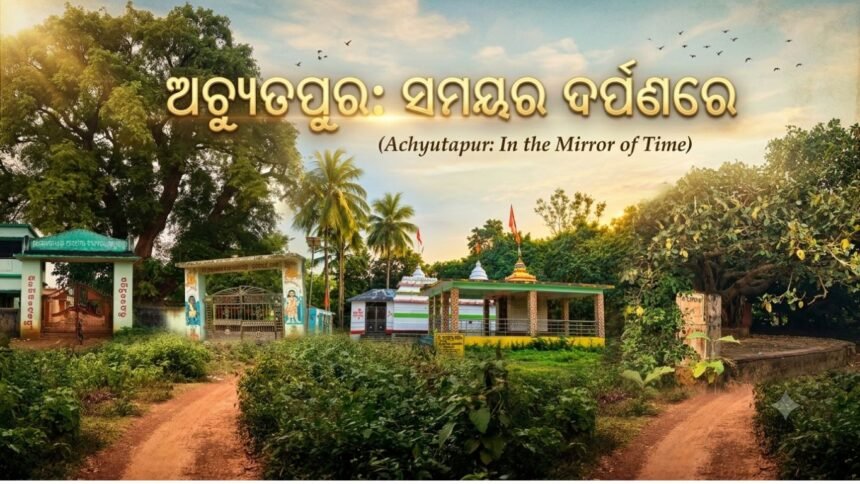
ଖୋର୍ଦ୍ଧା ଜିଲ୍ଲା ଟାଙ୍ଗୀ ବ୍ଲକ ଅନ୍ତର୍ଗତ ଅଚ୍ୟୁତପୁର ଗ୍ରାମର ଯୁବ ଛାତ୍ର ଓମ ପ୍ରକାଶ ମହାପାତ୍ର (ଦ୍ୱାଦଶ ଶ୍ରେଣୀ / +୨ ଦ୍ୱିତୀୟ ବର୍ଷ, କ୍ଷେତ୍ରବାସୀ ଦୟାନନ୍ଦ ଆଙ୍ଗ୍ଲୋବେଦିକ ମହାବିଦ୍ୟା ଳୟ, ନିରାକାରପୁର) ଗ୍ରାମର ବୟୋଜ୍ୟେଷ୍ଠ ବ୍ୟକ୍ତିମାନଙ୍କଠାରୁ ମୌଖିକ ଇତିହାସ ସଂଗ୍ରହ କରି “ଅଚ୍ୟୁତପୁର: ସମୟର ଦର୍ପଣରେ” ଶୀର୍ଷକ ଏହି ଲେଖାଟି ପ୍ରସ୍ତୁତ କରିଛନ୍ତି । ଏଥିରେ ସେ ଅଚ୍ୟୁତାନନ୍ଦ ମହାରାଜଙ୍କ ସହ ଜଡ଼ିତ ଗ୍ରାମର ନାମକରଣ ଲୋକକଥା, ପୁରୁଣା ମଠ ନିକଟସ୍ଥ ରହସ୍ୟମୟ କୂଅ, ଶିକ୍ଷା ଓ ଗମନାଗମନର ବିକାଶ, ପାରମ୍ପରିକ ଚାଷ ଓ ଖାଦ୍ୟାଭ୍ୟାସରେ ଆସିଥିବା ପରିବର୍ତ୍ତନ, ମଠ-ମନ୍ଦିର ଓ ପର୍ବପର୍ବାଣୀର ପରମ୍ପରା ସହିତ ଗ୍ରାମରେ ଡାକ୍ତରଖାନା ଭଳି ମୌଳିକ ସ୍ୱାସ୍ଥ୍ୟସେବାର ଅଭାବ ଏବଂ ଏକ ବିକଶିତ ତଥା ସଂସ୍କୃତିସମ୍ପନ୍ନ ଅଚ୍ୟୁତପୁର ଗଢ଼ିବାର ଭବିଷ୍ୟତ ସ୍ୱପ୍ନକୁ ଅତି ସୁନ୍ଦର ଭାବେ ଉପସ୍ଥାପନ କରିଛନ୍ତି ।
Om Prakash Mohapatra, a +2 Second Year (Class XII) student at Kshetrabasi Dayananda Anglo-Vedic College, Nirakarpur, and a native of Achyutapur in Khordha district’s Tangi block, has compiled “Achyutapur: Samayara Darpana-re” (Achyutapur: In the Mirror of Time) by gathering oral histories from senior villagers. Through this thoughtful village portrait, he weaves together local folklore surrounding ascetic Achyutananda Maharaj, the mystery of the sealed well near the old matha, milestones in local education and road connectivity, shifts from diverse organic farming to modern paddy cultivation, vibrant temple traditions, the pressing lack of a local hospital, and a hopeful vision of progress rooted in cultural heritage.
ପୃଷ୍ଠଭୂମି ଏବଂ ଐତିହ୍ୟ:
ଅଚ୍ୟୁତପୁର ହେଉଛି ଏକ ପୁରାତନ ଓ ଐତିହ୍ୟସମ୍ପନ୍ନ ଗ୍ରାମ । ଏହା ଖୋର୍ଦ୍ଧା ଜିଲ୍ଲା ଟାଙ୍ଗୀ ବ୍ଲକର ଅଚ୍ୟୁତପୁର ଗ୍ରାମପଞ୍ଚାୟତରେ ଅବସ୍ଥିତ ଗୋଟିଏ ବଡ଼ ଗାଁ ଯେଉଁଠି ଏବେ ପାଖାପାଖି 2000 ରୁ ଅଧିକ ଲୋକ ବାସ କରନ୍ତି । ଏହି ଗ୍ରାମର ଇତିହାସ ସମ୍ପର୍କରେ ଗ୍ରାମର କେତେ ଜଣ ବୟୋଜ୍ୟେଷ୍ଠ ଲୋକ (ଭାନୁମତୀ ମହାପାତ୍ର ,ବୟସ 76 ବର୍ଷ, ରବିନ୍ଦ୍ର ନାଥ ସାହୁ , ବୟସ 82 ବର୍ଷ ,ବେଣୁଧର ବେହେରା, ବୟସ 90 ବର୍ଷ)ଙ୍କ ଠାରୁ କିଛି ତଥ୍ୟ ସଂଗ୍ରହ କରି ଏହି ଲେଖାଟି ପ୍ରସ୍ତୁତ କରିଛନ୍ତି ସେହି ଗ୍ରାମର +2 ରେ ପଢ଼ୁଥିବା ଓମ ପ୍ରକାଶ ମହାପାତ୍ର | ଗ୍ରାମର ନାମ ସହ ଜୋଡ଼ି ହୋଇ ରହିଛି ଏକ ରୋଚକ ଲୋକକଥା। ପ୍ରଚଳିତ କଥାନୁସାରେ, ବହୁ ବର୍ଷ ପୂର୍ବେ ବୃନ୍ଦାବନରୁ ଜଣେ ସନ୍ନ୍ୟାସୀ ଏହି ଅଞ୍ଚଳକୁ ଆସିଥିଲେ । ତାଙ୍କ ନାମ ଥିଲା ଅଚ୍ୟୁତାନନ୍ଦ ମହାରାଜ। ତାଙ୍କ ନାମକୁ ସ୍ମରଣ କରି ଗ୍ରାମର ନାମ ‘ଅଚ୍ୟୁତପୁର’ ହୋଇଥିବା ବିଶ୍ୱାସ କରାଯାଏ । ସେ ଏହି ଗ୍ରାମରେ ଏକ ପ୍ରାଚୀନ ମଠ ପ୍ରତିଷ୍ଠା କରିଥିଲେ, ଯାହା ପରବର୍ତ୍ତୀ ସମୟରେ ‘ବୃନ୍ଦାବନ ଚନ୍ଦ୍ରଦେବ ମଠ’ ନାମରେ ପରିଚିତ ହେଲା। କିଛିଦିନ ମଠରେ ରହିବା ପରେ ଅଚ୍ୟୁତାନନ୍ଦ ମହାରାଜ ଗ୍ରାମବାସୀଙ୍କୁ ଏକ ଅଦ୍ଭୁତ ଇଚ୍ଛା ପ୍ରକାଶ କରିଥିଲେ – ସେ ଜୀବନ୍ତ ଅବସ୍ଥାରେ ନିଜକୁ ମାଟି ତଳେ ସମାଧି ଦେବାକୁ ଚାହୁଁଥିଲେ । ତାଙ୍କ ଇଚ୍ଛାନୁସାରେ ଏକ ବଡ଼ ଗାତ ଖୋଳାଗଲା ଏବଂ ସେ ସେଥିରେ ପ୍ରବେଶ କରିବା ପରେ ଗ୍ରାମବାସୀ ତାଙ୍କୁ ମାଟିରେ ପୋତି ଦେଇଥିଲେ । ପରେ ସେହି ସ୍ଥାନ ଉପରେ ତାଙ୍କ ସ୍ମୃତିରେ ଏକ ମନ୍ଦିର ମଧ୍ୟ ନିର୍ମାଣ କରାଯାଇଥିଲା । କିନ୍ତୁ ଏହି ଘଟଣାର କିଛିଦିନ ପରେ ଗ୍ରାମବାସୀ ତାଙ୍କୁ ବିଭିନ୍ନ ସ୍ଥାନରେ ପୁନର୍ବାର ଦେଖିବାକୁ ପାଇଥିବା କଥା ଲୋକମୁଖରେ ପ୍ରଚଳିତ । ଏହା ଦେଖି ଗ୍ରାମବାସୀ ଆଶ୍ଚର୍ଯ୍ୟଚକିତ ହୋଇଯାଇଥିଲେ। କୁହାଯାଏ, ପରେ ସନ୍ୟାସୀ ମହାରାଜ ଗ୍ରାମବାସୀଙ୍କୁ ଦର୍ଶନ ଦେଇ ମଠର କୌଣସି ଏକ ସ୍ଥାନରେ ସେ ଏକ ପୋଟଳିରେ ସୁନାମୁଦ୍ରା ରଖିଥିବା କଥା କହିଥିଲେ ଏବଂ ସେହି ସମ୍ପଦକୁ ମଠର ଉନ୍ନତି ଓ ଲୋକକଲ୍ୟାଣମୂଳକ କାର୍ଯ୍ୟରେ ବ୍ୟବହାର କରିବାକୁ କହିଥିଲେ। ଏହାପରେ ସେ ଆଉ କେବେ ଗ୍ରାମବାସୀଙ୍କୁ ଦର୍ଶନ ଦେଇନଥିବା ବିଶ୍ୱାସ କରାଯାଏ। ତାଙ୍କ ସହ ଆସିଥିବା ଏକ ବଂଶୀକୁ ନେଇ ମଧ୍ୟ ଅଚ୍ୟୁତପୁରରେ ଏକ ରହସ୍ୟମୟ ଲୋକବିଶ୍ୱାସ ଆଜି ପର୍ଯ୍ୟନ୍ତ ଜୀବନ୍ତ। ଗ୍ରାମର କେତେକ ବୃଦ୍ଧ ବ୍ୟକ୍ତିଙ୍କ କହିବାନୁସାରେ, ରାତିର ନିରବତା ମଧ୍ୟରେ ଆଜି ମଧ୍ୟ କେବେ କେବେ ସେହି ବଂଶୀର ସ୍ୱର ଶୁଣିବାକୁ ମିଳେ। ଇତିହାସ, ଲୋକକଥା, ଆଧ୍ୟାତ୍ମିକତା ଓ ରହସ୍ୟର ଏହି ସମନ୍ୱୟ ହିଁ ଅଚ୍ୟୁତପୁରର ଐତିହ୍ୟକୁ ଅନ୍ୟ ଗ୍ରାମଠାରୁ ଏକ ସ୍ୱତନ୍ତ୍ର ପରିଚୟ ଦେଇଛି |
ଅଛ୍ୟତପୁର ର ଅନାବିଷ୍କୃତ ରହସ୍ୟ: ଅଚ୍ୟୁତପୁରର ରହସ୍ୟମୟ କୂଅ
ଅଚ୍ୟୁତପୁରର ପୁରୁଣା ମଠ ନିକଟରେ ଆଜି ମଧ୍ୟ ଏକ ରହସ୍ୟମୟ କୂଅ ଗ୍ରାମବାସୀଙ୍କ ମନରେ ଅନେକ ପ୍ରଶ୍ନ ଛାଡ଼ି ଯାଇଛି। ଲୋକକଥା ଅନୁସାରେ, ପୁରୁଣା ସମୟରେ ଯେଉଁମାନେ ଏହି କୂଅକୁ ସଫା କରିବା ପାଇଁ ତଳକୁ ଯାଇଥିଲେ, ସେମାନେ ଆଉ ଫେରି ଆସିନଥିଲେ। ସେମାନଙ୍କୁ ଖୋଜିବା ପାଇଁ ଯାଇଥିବା କେତେକ ଲୋକ ମଧ୍ୟ ଫେରି ନଥିବା କଥା ପ୍ରଚଳିତ। ଏଭଳି ଘଟଣା ପରେ ଭୟ ଓ ଆଶଙ୍କାରେ ଗ୍ରାମବାସୀ ଶେଷରେ କୂଅଟିକୁ ଏକ ଆବରଣ ଦେଇ ବନ୍ଦ କରିଦେଇଥିଲେ। ଆଜି ପର୍ଯ୍ୟନ୍ତ ସେହି କୂଅର ରହସ୍ୟ ଉପରୁ ପରଦା ଉଠିନାହିଁ। କେହି ଏହାର ଭିତରେ ବିଷାକ୍ତ ଗ୍ୟାସ୍ ଥିବାର ସମ୍ଭାବନା କଥା କହନ୍ତି, ଆଉ କେହି ଏହାକୁ ଏକ ଅଲୌକିକ ରହସ୍ୟ ବୋଲି ବିଶ୍ୱାସ କରନ୍ତି। ସତରେ କୂଅଟିର ଭିତରେ କ’ଣ ଘଟୁଥିଲା—ତାହାର ନିଶ୍ଚିତ ଉତ୍ତର ଆଜି ମଧ୍ୟ ଅଜଣା। ସମୟ ବଦଳିଛି, ଗାଁ ବଦଳିଛି, କିନ୍ତୁ ସେହି କୂଅଟି ଅଚ୍ୟୁତପୁରର ଅତୀତର ଏକ ନିରବ ଓ ରହସ୍ୟମୟ ସାକ୍ଷୀ ହୋଇ ରହିଛି।
ଶିକ୍ଷାର ଆଲୋକରେ ଅଚ୍ୟୁତପୁର
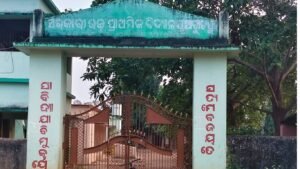
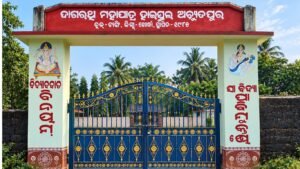
ଅଚ୍ୟୁତପୁରର ଐତିହ୍ୟ ଯେତିକି ସମୃଦ୍ଧ, ଏହାର ଶିକ୍ଷାର ପରମ୍ପରା ମଧ୍ୟ ସେତିକି ଗୌରବମୟ। ଭାରତ ସ୍ୱାଧୀନତା ଲାଭ କରିବାର ବହୁ ପୂର୍ବରୁ, ୧୯୨୩ ମସିହାରେ ଆମ ଗ୍ରାମରେ ଏକ ଉଚ୍ଚ ପ୍ରାଥମିକ ବିଦ୍ୟାଳୟ ସ୍ଥାପିତ ହୋଇଥିଲା। ଏହାର ୬୨ ବର୍ଷ ପରେ, ୧୯୮୫ ମସିହାରେ ମହାନ ବ୍ୟକ୍ତିତ୍ୱ ଦାଶରଥୀ ମହାପାତ୍ରଙ୍କ ସହଯୋଗରେ ଗ୍ରାମରେ ଏକ ଉଚ୍ଚ ବିଦ୍ୟାଳୟ ପ୍ରତିଷ୍ଠା ପାଇଥିଲା। ଏହି ଶିକ୍ଷାନୁଷ୍ଠାନଗୁଡ଼ିକ ଦୀର୍ଘଦିନ ଧରି ଅଚ୍ୟୁତପୁରର ଜ୍ଞାନର ଦୀପ ଜଳାଇ ଆସିଛନ୍ତି। ଏହାର ପବିତ୍ର ପରିସରରୁ ଅନେକ ଛାତ୍ରଛାତ୍ରୀ ଶିକ୍ଷା ଓ ସଂସ୍କାରରେ ଦୀକ୍ଷିତ ହୋଇ ସମାଜରେ ନିଜର ସ୍ୱତନ୍ତ୍ର ପରିଚୟ ଗଢ଼ିଛନ୍ତି। ତେଣୁ ଅଚ୍ୟୁତପୁରର ଏହି ବିଦ୍ୟାଳୟ କେବଳ ଶିକ୍ଷା ପ୍ରଦାନର କେନ୍ଦ୍ର ନୁହେଁ, ବରଂ ପିଢ଼ି ପରେ ପିଢ଼ି ‘ମଣିଷ ଗଢ଼ିବାର ଏକ ପବିତ୍ର କାରଖାନା’ ଭାବେ ଆଜି ମଧ୍ୟ ନିଜର ଗୌରବମୟ ଭୂମିକା ନିର୍ବାହ କରୁଛି।
ଗ୍ରାମର ଯୋଗାଯୋଗ ଏବଂ ପରିବହନ ବ୍ୟବସ୍ଥା
ସମୟ ସହିତ ଅଚ୍ୟୁତପୁରର ପରିବହନ ଓ ଯୋଗାଯୋଗ ବ୍ୟବସ୍ଥାରେ ମଧ୍ୟ ଅନେକ ପରିବର୍ତ୍ତନ ଆସିଛି। ପୂର୍ବରୁ ଗ୍ରାମବାସୀମାନେ ପାଦରେ ଚାଲିବା, ସାଇକେଲ ଓ ବଳଦଗାଡ଼ି ଭଳି ମାଧ୍ୟମ ଉପରେ ଅଧିକ ନିର୍ଭର କରୁଥିଲେ। ଆମ ଗାଁରୁ ପାଖ ଗ୍ରାମ ସରାପାରୀକୁ ଯିବା ପାଇଁ ଥିବା ପୁରୁଣା ରାସ୍ତାଟି ଦୀର୍ଘଦିନ ଧରି ଅତ୍ୟନ୍ତ ଖରାପ ଅବସ୍ଥାରେ ଥିଲା। ଏହି ରାସ୍ତାରେ ଯାତାୟାତ କରିବା ଗ୍ରାମବାସୀଙ୍କ ପାଇଁ ଏକ ବଡ଼ ସମସ୍ୟା ଥିଲା। ଏପରି ସମୟରେ ଅଚ୍ୟୁତପୁରର ଯୁଗପୁରୁଷ ସ୍ୱର୍ଗୀୟ ଚୈତନ୍ୟ ମହାପାତ୍ର ନିଜ ଉଦ୍ୟମରେ ଏକ ନୂଆ ରାସ୍ତା ନିର୍ମାଣ କରିଥିଲେ। ତାଙ୍କର ଏହି ପ୍ରୟାସ ଗ୍ରାମବାସୀଙ୍କ ଯାତାୟାତକୁ ସହଜ କରିବା ସହିତ ଅଚ୍ୟୁତପୁରକୁ ପାଖପାଖି ଗ୍ରାମଗୁଡ଼ିକ ସହ ଆହୁରି ନିକଟତର କରିଥିଲା। ତାଙ୍କର ଦୂରଦୃଷ୍ଟି ଓ ଗ୍ରାମପ୍ରତି ଭଲପାଇବାର ଏହି ଉଦ୍ୟମ ଆଜି ମଧ୍ୟ ଅଚ୍ୟୁତପୁରର ବିକାଶ ଯାତ୍ରାର ଏକ ସ୍ମରଣୀୟ ଅଧ୍ୟାୟ। ଆଜି ରାସ୍ତାଘାଟର ବିକାଶ ସହିତ ମୋଟରସାଇକେଲ, ଅଟୋ ଓ ଅନ୍ୟାନ୍ୟ ଯାନବାହନ ମାଧ୍ୟମରେ ଯାତାୟାତ ଅଧିକ ସହଜ ହୋଇଛି। ସେହିପରି ମୋବାଇଲ ଫୋନ, ଇଣ୍ଟରନେଟ ଓ ଆଧୁନିକ ଯୋଗାଯୋଗ ମାଧ୍ୟମ ଗ୍ରାମକୁ ବାହାର ଦୁନିଆ ସହ ଯୋଡ଼ି ଦେଇଛି। ତେଣୁ ଅଚ୍ୟୁତପୁରର ପରିବହନ ଓ ଯୋଗାଯୋଗର ଏହି ପରିବର୍ତ୍ତନ ଗାଁର ଅତୀତରୁ ଆଧୁନିକତା ଆଡ଼କୁ ଆଗେଇ ଚାଲିଥିବା ବିକାଶର ଏକ ସୁନ୍ଦର ପ୍ରତିଛବି।
ସ୍ମଶାନ ଓ ତାହାର ପରିସର
ଅଚ୍ୟୁତପୁରର ଅନ୍ୟାନ୍ୟ ସ୍ଥାନ ଭଳି ଗାଁର ସ୍ମଶାନ ମଧ୍ୟ ଏହାର ଜୀବନ, ପରମ୍ପରା ଓ ସାମାଜିକ ସ୍ମୃତିର ଏକ ଅଂଶ। ଗାଁର ଏହି ପରିସର ଶାନ୍ତ ଓ ପ୍ରାକୃତିକ ପରିବେଶ ମଧ୍ୟରେ ଅବସ୍ଥିତ। ପିଢ଼ି ପରେ ପିଢ଼ି ଏହି ସ୍ଥାନ ଗାଁର ଅନେକ ସ୍ମୃତିର ନିରବ ସାକ୍ଷୀ ହୋଇ ରହିଛି। ସ୍ମଶାନ ନିକଟରେ ଅବସ୍ଥିତ ମା’ ବଘେଇଙ୍କ ମନ୍ଦିର ଏହି ପରିସରର ଏକ ପବିତ୍ର ସ୍ଥାନ। ମନ୍ଦିରକୁ କେନ୍ଦ୍ର କରି ଗ୍ରାମବାସୀଙ୍କ ମନରେ ଭକ୍ତି ଓ ଆସ୍ଥାର ଏକ ନିଆରା ଭାବ ରହିଛି। ଏହି ମନ୍ଦିର ନିକଟରେ ଥିବା ଏକ ବରଗଛକୁ ଘେରି ଅଚ୍ୟୁତପୁରର ଯୁଗପୁରୁଷ ସ୍ୱର୍ଗୀୟ ଚୈତନ୍ୟ ମହାପାତ୍ର ନିଜ ଉଦ୍ୟମରେ ଲୋକମାନଙ୍କ ବସିବା ଓ ବିଶ୍ରାମ ନେବା ପାଇଁ ଏକ ମଣ୍ଡପ ନିର୍ମାଣ କରିଥିଲେ। ସେ ଏହାର ନାମ ଦେଇଥିଲେ “ନିତ୍ୟାନନ୍ଦ ମଣ୍ଡପ”।
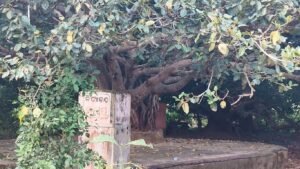
ସମୟ ବଦଳିଛି, ଗାଁର ଚିତ୍ର ବଦଳିଛି, କିନ୍ତୁ ଏହି ମଣ୍ଡପର ଗୁରୁତ୍ୱ ଆଜି ମଧ୍ୟ ଅବିଚଳିତ। ଆଜି ମଧ୍ୟ ଗ୍ରାମବାସୀମାନେ ଏଠାରେ ବସନ୍ତି, ବିଶ୍ରାମ ନିଅନ୍ତି ଓ ପରସ୍ପର ସହ ଭାବ ବିନିମୟ କରନ୍ତି। ଏକ ପଟେ ମା’ ବଘେଇଙ୍କ ମନ୍ଦିରର ଆଧ୍ୟାତ୍ମିକ ପରିବେଶ, ଅନ୍ୟ ପଟେ ବରଗଛ ତଳର ନିତ୍ୟାନନ୍ଦ ମଣ୍ଡପ—ଏହି ଦୁଇଟି ମିଶି ମଶାଣି ପରିସରକୁ ଅଚ୍ୟୁତପୁରର ଏକ ନିଆରା ପରିଚୟ ଦେଇଛି।
ଏହି ମଶାଣି, ମନ୍ଦିର ଓ ମଣ୍ଡପ କେବଳ କିଛି ସ୍ଥାନର ସମାହାର ନୁହେଁ; ଏଗୁଡ଼ିକ ଅଚ୍ୟୁତପୁରର ଅତୀତ, ପରମ୍ପରା ଓ ବର୍ତ୍ତମାନ ଜୀବନକୁ ଯୋଡ଼ି ରଖିଥିବା ଜୀବନ୍ତ ସ୍ମୃତି। ଚୈତନ୍ୟ ମହାପାତ୍ରଙ୍କ ଭଳି ମହାନ ବ୍ୟକ୍ତିଙ୍କ ଉଦ୍ୟମ ଏହି ସ୍ମୃତିକୁ ଆହୁରି ଗୌରବମୟ କରିଛି।
ମାଟି, ଜଳ ଓ ସବୁଜିମାର ଗାଁ
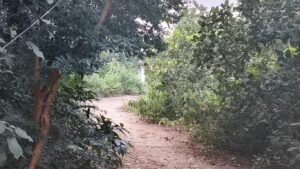
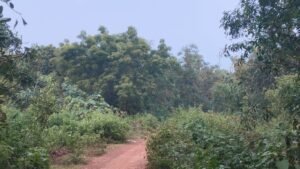
ଅଚ୍ୟୁତପୁରର ପ୍ରାକୃତିକ ପରିବେଶ ମଧ୍ୟ ଗ୍ରାମର ଏକ ସ୍ୱତନ୍ତ୍ର ଆକର୍ଷଣ। ସବୁଜିମାରେ ପରିପୂର୍ଣ୍ଣ ଆମ ଗାଁର ଚାରିପାଖେ ପ୍ରକୃତି ନିଜର ଅପୂର୍ବ ସୌନ୍ଦର୍ଯ୍ୟ ବିଛାଇ ଦେଇଛି। ସବୁଜ ଗଛଲତା, ଖୋଲା ପରିବେଶ ଓ ପ୍ରକୃତିର ମନୋହର ରୂପ ଦେଖିଲେ ମନ ଆପେଆପେ ମୋହିତ ହୋଇଯାଏ। ଏହି ପ୍ରାକୃତିକ ସୌନ୍ଦର୍ଯ୍ୟ ଅଚ୍ୟୁତପୁରକୁ କେବଳ ଏକ ବସତି ନୁହେଁ, ବରଂ ପ୍ରକୃତିର କୋଳରେ ଗଢ଼ିଉଠିଥିବା ଏକ ସୁନ୍ଦର ଗ୍ରାମର ପରିଚୟ ଦେଇଥାଏ।
ଜଳଯୋଗାଣ କ୍ଷେତ୍ରରେ ମଧ୍ୟ ଅଚ୍ୟୁତପୁର ଏକ ସୁବିଧାଜନକ ସ୍ଥିତିରେ ରହିଛି। ଆମ ଗ୍ରାମରେ ପ୍ରାୟ ୧,୦୦,୦୦୦ ଲିଟର କ୍ଷମତାସମ୍ପନ୍ନ ଏକ ବୃହତ୍ ପାଣି ଟାଙ୍କି ରହିଛି। ଏହି ଜଳଭଣ୍ଡାର ମାଧ୍ୟମରେ ଗ୍ରାମବାସୀଙ୍କ ଘର ପର୍ଯ୍ୟନ୍ତ ସହଜରେ ପାଣି ପହଞ୍ଚିଥାଏ। ଫଳରେ ଦୈନନ୍ଦିନ ଜୀବନରେ ଜଳର ଆବଶ୍ୟକତା ପୂରଣ ସହଜ ହୋଇଛି। ପ୍ରକୃତିର ସୌନ୍ଦର୍ଯ୍ୟ ସହ ଏପରି ମୌଳିକ ସୁବିଧାର ସମନ୍ୱୟ ଅଚ୍ୟୁତପୁରକୁ ଆହୁରି ସୁନ୍ଦର ଓ ବାସଯୋଗ୍ୟ କରି ତୋଳିଛି।
ମାଟିର ମହକରେ ଅଚ୍ୟୁତପୁର
ଅଚ୍ୟୁତପୁରର ଜୀବନଧାରା ସହ କୃଷିର ସମ୍ପର୍କ ଅତ୍ୟନ୍ତ ନିବିଡ଼। ବର୍ତ୍ତମାନ ଗ୍ରାମର ଅଧିକାଂଶ କୃଷକ ମୁଖ୍ୟତଃ ଧାନ ଚାଷ ଉପରେ ନିର୍ଭରଶୀଳ। କିନ୍ତୁ ପୂର୍ବକାଳରେ ଅଚ୍ୟୁତପୁରର କୃଷି ବ୍ୟବସ୍ଥା ଅଧିକ ବିବିଧ ଥିଲା। କୃଷକମାନେ ଦୋପହସଲ କରୁଥିଲେ—ଧାନ ଚାଷ ପରେ ମୁଗ ଓ ବିରି ଭଳି ଡାଲିଜାତୀୟ ଫସଲ ମଧ୍ୟ ଚାଷ କରୁଥିଲେ। ଏହି ପାରମ୍ପରିକ କୃଷି ପଦ୍ଧତି ଗ୍ରାମର ଜୀବନଜୀବିକା ସହ ଗଭୀର ଭାବେ ଜଡ଼ିତ ଥିଲା।
ସମୟ ବଦଳିବା ସହିତ ଅଚ୍ୟୁତପୁରର କୃଷି ପଦ୍ଧତିରେ ମଧ୍ୟ ପରିବର୍ତ୍ତନ ଆସିଛି। ପୂର୍ବରୁ ଯେଉଁ କ୍ଷେତରେ ହଳ-ଲଙ୍ଗଳ ଓ ବଳଦଙ୍କ ସାହାଯ୍ୟରେ ଚାଷ ହେଉଥିଲା, ଆଜି ସେହି କାମ ଟ୍ରାକ୍ଟର ଓ କଲ୍ଟିଭେଟର ଭଳି ଆଧୁନିକ କୃଷି ଯନ୍ତ୍ରର ସାହାଯ୍ୟରେ ଅଧିକ ସହଜ ଓ ଦ୍ରୁତ ହୋଇପାରୁଛି। ଏହି ଯନ୍ତ୍ରୀକରଣ କୃଷକଙ୍କ ଶ୍ରମ ଓ ସମୟ କମାଇବା ସହିତ ଅଚ୍ୟୁତପୁରର କୃଷିକୁ ମଧ୍ୟ ଏକ ନୂଆ ଦିଗ ଦେଇଛି। ତଥାପି ପୁରୁଣା ହଳ-ଲଙ୍ଗଳର ସ୍ମୃତି ଓ କୃଷି ପରମ୍ପରା ଆଜି ମଧ୍ୟ ଗ୍ରାମର ମାଟି ସହ ଜଡ଼ି ରହିଛି। ପୂର୍ବରୁ ଲୋକମାନେ ମାଣ୍ଡିଆ , ଧାନ ,ଗହମ, ବିରି , ମୁଗ ଆଦି ଚାଷ କରୁଥିଲେ , ଲୋକମାନେ ହଳ ଲଙ୍ଗଳ ଏବଂ ବଳଦ ସାହାଯ୍ୟରେ ଚାଷ କରୁଥିଲେ ଓ ଅଧିକ ଅମଳ ପାଇଁ ଚାଷ ରେ ଜୈବିକ ସାର ଓ ଖତ ବ୍ୟବହାର କରୁଥିଲେ । ଆଗକାଳ ରେ ଜୈବିକ ସାର ପ୍ରୟୋଗ ହେଉଥିଲା ଏବଂ ବଳଦ ଓ ହଳ ଲଙ୍ଗଳ ସାହାଯ୍ୟରେ ଚାଷ ହଉଥିଲା , କିନ୍ତୁ ବର୍ତ୍ତମାନ ଟ୍ରାକ୍ଟର ଏବଂ ରାସାୟନିକ ସାର ପ୍ରୟୋଗ କରାଯାଇ ଚାଷ କରାଯାଉଛି । ପୂର୍ବରୁ ଲୋକମାନଙ୍କର ମୁଖ୍ୟ ଖାଦ୍ୟ ଥିଲା ଭାତ ଏବଂ ଲୋକମାନେ ମାଣ୍ଡିଆ ମଧ୍ୟ ଖାଇବାକୁ ବହୁତ ଭଲ ପାଉଥିଲେ l ଆଗ କାଳ ରେ ଲୋକ ମାନେ ଅନେକ ପ୍ରକାର ଚାଷ କରୁଥିଲେ ବରଂ ବର୍ତ୍ତମାନ କେବଳ ଧାନ ହିଁ ଚାଷ କରୁଛନ୍ତି । ଗ୍ରାମ ନିକଟରେ ଏକ ଜଙ୍ଗଲ ରହିଛି , ପୂର୍ବକାଳ ରୁ ଆଜି ପର୍ଯ୍ୟନ୍ତ ଲୋକମାନେ ସେହି ଜଙ୍ଗଲ ଉପରେ ବହୁତ ନିର୍ଭରଶୀଳ , ଲୋକମାନେ ସେହି ଜଙ୍ଗଲ ରୁ କାଠ, ଜାଳେଣି ଆଦି ସଂଗ୍ରହ କରି ଆଣିଥାନ୍ତି ।
ଆସ୍ଥା ଏବଂ ପରମ୍ପରାର ଗାଁ
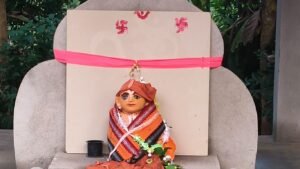
ଅଚ୍ୟୁତପୁର କେବଳ ତାହାର ଐତିହ୍ୟ ଓ ପ୍ରାକୃତିକ ସୌନ୍ଦର୍ଯ୍ୟ ପାଇଁ ନୁହେଁ, ଧାର୍ମିକ ଆସ୍ଥା, ମଠ-ମନ୍ଦିର ଓ ପାରମ୍ପରିକ ପର୍ବପର୍ବାଣୀ ପାଇଁ ମଧ୍ୟ ଏକ ସ୍ୱତନ୍ତ୍ର ପରିଚୟ ବହନ କରେ। ଆମ ଗାଁରେ ଆଜି ମଧ୍ୟ ଅନେକ ପୁରାତନ ମଠ ଓ ମନ୍ଦିର ଦେଖିବାକୁ ମିଳେ, ଯେଉଁଗୁଡ଼ିକ ଗାଁର ଧାର୍ମିକ ପରମ୍ପରା ଓ ସାଂସ୍କୃତିକ ଐତିହ୍ୟର ନିରବ ସାକ୍ଷୀ ହୋଇ ରହିଛି। ଅଚ୍ୟୁତପୁରର ଇଷ୍ଟଦେବୀ ହେଉଛନ୍ତି ମା’ ମଙ୍ଗଳା ଏବଂ ଇଷ୍ଟଦେବ ହେଉଛନ୍ତି ବୃନ୍ଦାବନ ଚନ୍ଦ୍ରଦେବ। ଗ୍ରାମର ପ୍ରାୟ ପ୍ରତ୍ୟେକ ସାହିରେ ମଠ ଓ ମନ୍ଦିର ରହିଥିବାରୁ ଗାଁର ପରିବେଶରେ ଭକ୍ତି ଓ ଆଧ୍ୟାତ୍ମିକତାର ଏକ ସୁନ୍ଦର ଛାପ ଦେଖିବାକୁ ମିଳେ।
କଂସାରୀ ସାହିରେ ଥିବା ବୃନ୍ଦାବନ ଚନ୍ଦ୍ରଦେବ ମଠକୁ ଅନେକେ ‘ବଡ଼ ମଠ’ ଭାବେ ମଧ୍ୟ ଜାଣନ୍ତି। ମଝି ସାହିର କୁଞ୍ଜବିହାରୀ ମଠ, ତଳ ସାହିର ଗୋପାଳଜୀଉଙ୍କ ମଠ ଏବଂ ନୂଆପଟଣା ସାହିର ନୀଳକଣ୍ଠେଶ୍ୱର ମନ୍ଦିର ଗ୍ରାମର ଧାର୍ମିକ ପରମ୍ପରାକୁ ଆହୁରି ସମୃଦ୍ଧ କରିଛି। ଏହା ବ୍ୟତୀତ ଗାଁର ବିଭିନ୍ନ ସ୍ଥାନରେ ଆହୁରି ଅନେକ ଛୋଟବଡ଼ ମନ୍ଦିର ଓ ଦେବସ୍ଥାନ ରହିଛି, ଯେଉଁଗୁଡ଼ିକ ଗ୍ରାମବାସୀଙ୍କ ଆସ୍ଥା ଓ ଭକ୍ତିର କେନ୍ଦ୍ରସ୍ଥଳୀ ହୋଇ ରହିଛି।
ଅଚ୍ୟୁତପୁରର ପର୍ବପର୍ବାଣୀ ମଧ୍ୟ ଗ୍ରାମଜୀବନକୁ ଉତ୍ସବମୁଖର କରିଥାଏ। ଗଣେଶ ପୂଜା, ସରସ୍ୱତୀ ପୂଜା, ଗଜଲକ୍ଷ୍ମୀ ପୂଜା, ଦୁର୍ଗାପୂଜା, କାଳୀପୂଜା, ଦୋଳପୂର୍ଣ୍ଣିମା, ରଜପର୍ବ, ରଥଯାତ୍ରା, ଜନ୍ମାଷ୍ଟମୀ ଓ ମହାଶିବରାତ୍ରି ଭଳି ଅନେକ ପର୍ବ ଗାଁରେ ଧୁମଧାମରେ ପାଳିତ ହୁଏ। ପର୍ବପର୍ବାଣୀର ଏହି ଅବସରରେ ଗାଁର ଗଳିଠାରୁ ମନ୍ଦିର ପରିସର ପର୍ଯ୍ୟନ୍ତ ଏକ ଭିନ୍ନ ପ୍ରକାରର ଉତ୍ସବମୁଖର ପରିବେଶ ସୃଷ୍ଟି ହୁଏ। ଜାତି, ବୟସ ଓ ପିଢ଼ିର ଭେଦଭାବ ଭୁଲି ଗ୍ରାମବାସୀ ଏକାଠି ହୋଇ ଏହି ପର୍ବଗୁଡ଼ିକୁ ପାଳନ କରନ୍ତି। ତେଣୁ ଅଚ୍ୟୁତପୁରର ମଠ, ମନ୍ଦିର ଓ ପର୍ବପର୍ବାଣୀ କେବଳ ଧାର୍ମିକ ଆସ୍ଥାର ପ୍ରତୀକ ନୁହେଁ, ବରଂ ଗ୍ରାମର ଏକତା, ଭାଇଚାରା ଓ ସାଂସ୍କୃତିକ ପରମ୍ପରାର ଜୀବନ୍ତ ପରିଚୟ।
ଅଚ୍ୟୁତପୁରର ବଦଳୁଥିବା ଚିତ୍ର
ସମୟ ଏକ ନିରନ୍ତର ପ୍ରବାହ। ଏହା ସହିତ ଅଚ୍ୟୁତପୁର ମଧ୍ୟ ଧୀରେ ଧୀରେ ନିଜର ରୂପ ବଦଳାଇଛି। ଦିନେ ଯେଉଁ ଗାଁର ଜୀବନ ମୁଖ୍ୟତଃ ମଠ, ମନ୍ଦିର, କୃଷି ଓ ପାରମ୍ପରିକ ଜୀବନଶୈଳୀକୁ କେନ୍ଦ୍ର କରି ଚାଲୁଥିଲା, ଆଜି ସେହି ଗାଁ ଆଧୁନିକତାର ସ୍ପର୍ଶରେ ଏକ ନୂଆ ରୂପ ଧାରଣ କରିଛି। ଶିକ୍ଷାର ପ୍ରସାର ଗ୍ରାମବାସୀଙ୍କ ଚିନ୍ତାଧାରାକୁ ବଦଳାଇଛି, ଯୋଗାଯୋଗର ବିକାଶ ଦୂରତାକୁ କମାଇଛି ଏବଂ ଆଧୁନିକ ପ୍ରଯୁକ୍ତି ଦୈନନ୍ଦିନ ଜୀବନକୁ ଆହୁରି ସହଜ କରିଛି।
କୃଷି କ୍ଷେତ୍ରରେ ମଧ୍ୟ ଏହି ପରିବର୍ତ୍ତନ ସ୍ପଷ୍ଟ। ପୂର୍ବରୁ ହଳ-ଲଙ୍ଗଳ ଓ ବଳଦଙ୍କ ସାହାଯ୍ୟରେ ହେଉଥିବା ଚାଷ ଆଜି ଟ୍ରାକ୍ଟର ଓ କଲ୍ଟିଭେଟର ଭଳି ଯନ୍ତ୍ରର ସାହାଯ୍ୟରେ ଦ୍ରୁତ ଓ ସହଜ ହୋଇଛି। ପୂର୍ବକାଳର ଦୋପହସଲ ପରମ୍ପରାର ସ୍ଥାନରେ ଆଜି ଅଧିକାଂଶ କୃଷକ ମୁଖ୍ୟତଃ ଧାନ ଚାଷ କରୁଛନ୍ତି। ଏହି ପରିବର୍ତ୍ତନ ଅଚ୍ୟୁତପୁରର କୃଷିଜୀବନରେ ଆସିଥିବା ନୂଆ ଅଧ୍ୟାୟର ପରିଚୟ ଦିଏ।
ତଥାପି ଆଧୁନିକତାର ଏହି ଯାତ୍ରା ମଧ୍ୟରେ ଅଚ୍ୟୁତପୁର ନିଜର ମୂଳ ପରିଚୟକୁ ଭୁଲିନାହିଁ। ପୁରାତନ ମଠ-ମନ୍ଦିର, ଇଷ୍ଟଦେବୀ ଓ ଇଷ୍ଟଦେବଙ୍କ ପ୍ରତି ଆସ୍ଥା, ପାରମ୍ପରିକ ପର୍ବପର୍ବାଣୀ ଏବଂ ଗ୍ରାମବାସୀଙ୍କ ମଧ୍ୟରେ ଭାଇଚାରା ଆଜି ମଧ୍ୟ ଅତୀତ ସହ ଗାଁର ସମ୍ପର୍କକୁ ଜୀବନ୍ତ ରଖିଛି। ତେଣୁ ଅଚ୍ୟୁତପୁରର ପରିବର୍ତ୍ତନ କେବଳ ରୂପର ପରିବର୍ତ୍ତନ ନୁହେଁ; ଏହା ହେଉଛି ପରମ୍ପରାକୁ ସାଥୀ କରି ଆଧୁନିକତା ଆଡ଼କୁ ଆଗେଇ ଚାଲିବାର ଏକ ସୁନ୍ଦର ଯାତ୍ରା।
ବିକାଶ ର ଆଲୋକ ରେ ଏକ ଅନ୍ଧାର କୋଣ
ଅଚ୍ୟୁତପୁର ଆଜି ଶିକ୍ଷା, କୃଷି, ଜଳଯୋଗାଣ ଓ ଆଧୁନିକତାର କ୍ଷେତ୍ରରେ ଧୀରେ ଧୀରେ ଆଗକୁ ବଢ଼ୁଥିଲେ ମଧ୍ୟ, ଗ୍ରାମର ଏକ ଅଭାବ ଆଜି ମଧ୍ୟ ମନକୁ ଦୁଃଖିତ କରେ—ଆମ ଗାଁରେ ନିଜସ୍ୱ ଏକ ଡାକ୍ତରଖାନା ନାହିଁ। ଅସୁସ୍ଥତା କିମ୍ବା ଆପତ୍କାଳୀନ ପରିସ୍ଥିତିରେ ଗ୍ରାମବାସୀଙ୍କୁ ଚିକିତ୍ସା ପାଇଁ ଅନ୍ୟତ୍ର ଯିବାକୁ ପଡ଼େ। ବିଶେଷକରି ଗୁରୁତର ରୋଗୀ କିମ୍ବା ଆପତ୍କାଳୀନ ସମୟରେ ଦୂରସ୍ଥ ଚିକିତ୍ସାକେନ୍ଦ୍ର ଉପରେ ନିର୍ଭର କରିବା ଗ୍ରାମବାସୀଙ୍କ ପାଇଁ ଅସୁବିଧାଜନକ ହୋଇଥାଏ।
ଅଚ୍ୟୁତପୁରର ଭବିଷ୍ୟତ ଉନ୍ନତିରେ ଯଦି ଏକ ସୁବିଧାସମ୍ପନ୍ନ ଚିକିତ୍ସାକେନ୍ଦ୍ର କିମ୍ବା ହସ୍ପିଟାଲର ସୁବିଧା ଯୋଡ଼ି ହୋଇପାରେ, ତେବେ ଗ୍ରାମବାସୀଙ୍କ ସ୍ୱାସ୍ଥ୍ୟସୁରକ୍ଷା ଆହୁରି ସୁଦୃଢ଼ ହେବ। ଉନ୍ନତିର ଅର୍ଥ କେବଳ ଭଲ ରାସ୍ତା, ଶିକ୍ଷା ଓ ଆଧୁନିକ ସୁବିଧା ନୁହେଁ; ସୁସ୍ଥ ଓ ନିରାପଦ ଜୀବନ ମଧ୍ୟ ଉନ୍ନତିର ଏକ ଅବିଚ୍ଛିନ୍ନ ଅଂଶ। ତେଣୁ ଅଚ୍ୟୁତପୁରର ଆଗାମୀ ଦିନର ସ୍ୱପ୍ନରେ ଏକ ଭଲ ଚିକିତ୍ସା ବ୍ୟବସ୍ଥା ନିଶ୍ଚିତ ଭାବେ ସ୍ଥାନ ପାଇବା ଉଚିତ।
ଭବିଷ୍ୟତର ଆଶା
ଅତୀତର ଗୌରବକୁ ହୃଦୟରେ ସାଇତି ଓ ବର୍ତ୍ତମାନର ପରିବର୍ତ୍ତନକୁ ସାଥୀ କରି ଅଚ୍ୟୁତପୁର ଆଜି ଭବିଷ୍ୟତ ଆଡ଼କୁ ଆଗେଇ ଚାଲିଛି। ଆମର ଆଶା—ଆଗାମୀ ଦିନରେ ଏହି ଗାଁ ଶିକ୍ଷା, କୃଷି, ସ୍ୱାସ୍ଥ୍ୟ, ଯୋଗାଯୋଗ ଓ ଆଧୁନିକ ସୁବିଧା କ୍ଷେତ୍ରରେ ଆହୁରି ସମୃଦ୍ଧ ହେଉ। ଗାଁରେ ଏକ ସୁବିଧାସମ୍ପନ୍ନ ଚିକିତ୍ସାକେନ୍ଦ୍ର ଗଢ଼ିଉଠୁ, ଯୁବପିଢ଼ି ପାଇଁ ଶିକ୍ଷା ଓ ରୋଜଗାରର ନୂଆ ସୁଯୋଗ ସୃଷ୍ଟି ହେଉ ଏବଂ କୃଷକମାନେ ଆଧୁନିକ କୃଷି ସହିତ ଆହୁରି ସମୃଦ୍ଧ ହୁଅନ୍ତୁ—ଏହା ଆମର ଆଶା।
ତେବେ ବିକାଶର ଏହି ଯାତ୍ରାରେ ଅଚ୍ୟୁତପୁର ନିଜର ମୂଳ ପରିଚୟକୁ କେବେ ହରାଇ ନଯାଉ। ପୁରାତନ ମଠ-ମନ୍ଦିର, ଧାର୍ମିକ ପରମ୍ପରା, ପର୍ବପର୍ବାଣୀ, କୃଷି ସଂସ୍କୃତି ଓ ଗ୍ରାମବାସୀଙ୍କ ଭାଇଚାରା ଆଗାମୀ ପିଢ଼ି ପର୍ଯ୍ୟନ୍ତ ସୁରକ୍ଷିତ ରହୁ। ଆଧୁନିକତାର ଆଲୋକରେ ଆମ ଗାଁ ଆହୁରି ଉଜ୍ଜ୍ୱଳ ହେଉ, କିନ୍ତୁ ତାହାର ମାଟିର ମହକ ଓ ଅତୀତର ସ୍ମୃତି କେବେ ମଳିନ ନହେଉ।
ଆମର ସ୍ୱପ୍ନ ଏମିତି ଏକ ଅଚ୍ୟୁତପୁରର—ଯେଉଁଠି ବିକାଶ ସହିତ ପରମ୍ପରା, ଆଧୁନିକତା ସହିତ ସଂସ୍କୃତି ଏବଂ ସୁବିଧା ସହିତ ସମ୍ପର୍କର ଉଷ୍ମତା ଜୀବନ୍ତ ରହିବ। ଆଜିର ଛୋଟ ଛୋଟ ପଦକ୍ଷେପ ହିଁ ଆସନ୍ତାକାଲିର ଏକ ସୁନ୍ଦର ଅଚ୍ୟୁତପୁରର ଭିତ୍ତି ହେବ—ଏହି ବିଶ୍ୱାସ ହିଁ ଆମର ସବୁଠାରୁ ବଡ଼ ଆଶା।
ଉପସଂହାର
ଅଚ୍ୟୁତପୁର କେବଳ ମୋ ପାଇଁ ଏକ ଗାଁର ନାମ ନୁହେଁ; ଏହା ମୋର ମୂଳ, ମୋର ସ୍ମୃତି ଓ ମୋର ଗର୍ବ। ଏହାର ମାଟିରେ ଅତୀତର ଅନେକ କାହାଣୀ ଲୁଚି ରହିଛି, ବର୍ତ୍ତମାନର ଅନେକ ପରିବର୍ତ୍ତନ ଦୃଶ୍ୟମାନ ହେଉଛି ଏବଂ ଭବିଷ୍ୟତର ଅନେକ ସ୍ୱପ୍ନ ଆକାର ନେଉଛି। ପୁରୁଣା ମଠ-ମନ୍ଦିରର ଘଣ୍ଟିଧ୍ୱନିଠାରୁ ଆଧୁନିକତାର ନୂଆ ପଦଚିହ୍ନ ପର୍ଯ୍ୟନ୍ତ—ଅଚ୍ୟୁତପୁର ନିଜ ଅତୀତକୁ ସାଥୀ କରି ଆଜି ଆଗକୁ ବଢ଼ୁଛି।
ସମୟ ବଦଳିବ, ପିଢ଼ି ବଦଳିବ, ଗାଁର ରୂପ ମଧ୍ୟ ବଦଳିବ; କିନ୍ତୁ ଅଚ୍ୟୁତପୁରର ମାଟି ସହ ଆମର ସମ୍ପର୍କ କେବେ ବଦଳିବ ନାହିଁ। ଆମର ଆଶା—ଏହି ଗାଁ ଆଗାମୀ ଦିନରେ ଆହୁରି ଶିକ୍ଷିତ, ସମୃଦ୍ଧ, ସୁସ୍ଥ ଓ ବିକଶିତ ହେଉ; ତଥାପି ନିଜର ଐତିହ୍ୟ, ପରମ୍ପରା ଓ ଭାଇଚାରାକୁ ହୃଦୟରେ ଧରି ରଖୁ। କାରଣ ଅଚ୍ୟୁତପୁରର କାହାଣୀ କେବଳ ଅତୀତରୁ ଆଜି ପର୍ଯ୍ୟନ୍ତର ଯାତ୍ରା ନୁହେଁ; ଏହା ଆଜିଠାରୁ ଏକ ଉଜ୍ଜ୍ୱଳ ଆସନ୍ତାକାଲି ଆଡ଼କୁ ଆଗେଇ ଚାଲିଥିବା ଏକ ଅବିରତ ସ୍ୱପ୍ନ।
Achyutapur: In the Mirror of Time
Background and Heritage
Achyutapur is an ancient village rich in heritage. It is a large village located under the Achyutapur Gram Panchayat of Tangi block in Khordha district, now home to roughly more than 2,000 people. This piece has been written by Om Prakash Mohapatra, a +2 student from the same village, after gathering information about the village’s history from several senior elders of the community: Bhanumati Mohapatra (age 76), Rabindra Nath Sahoo (age 82), and Benudhar Behera (age 90).
A fascinating folktale is woven into the village’s name. According to popular tradition, many years ago an ascetic came to this region from Vrindavan. His name was Achyutananda Maharaj. It is believed that the village came to be called Achyutapur in his memory. He established an ancient matha (monastery) in the village, which later became known as Brindaban Chandradev Matha.
After staying at the matha for some time, Achyutananda Maharaj expressed an extraordinary wish to the villagers—he wanted to take samadhi (burial while still alive) beneath the earth. Following his wish, a large pit was dug, and after he entered it, the villagers covered him with soil. Later, a temple was also built at that spot in his memory. Yet, according to oral accounts, a few days after this event, villagers saw him again in different places, which left them astounded. It is said that the ascetic later appeared to the villagers and told them he had kept a bundle of gold coins somewhere in the matha, instructing them to use that wealth for the development of the matha and for public welfare works. After that, he is believed never to have appeared to the villagers again.
A mysterious folk belief surrounding a flute he brought with him also remains alive in Achyutapur today. According to several elderly residents, the sound of that flute can still be heard occasionally in the silence of the night. This blend of history, folklore, spirituality, and mystery gives Achyutapur’s heritage a distinct identity among neighboring villages.
Unexplored Mystery of Achyutapur: The Mysterious Well
Even today, a mysterious well near the old matha in Achyutapur leaves many questions in the minds of villagers. According to folklore, in older times, those who went down to clean this well never returned. Some people who went down in search of them are also said not to have come back. Following such incidents, out of fear and apprehension, the villagers finally sealed the well with a cover.
To this day, the veil over that well’s mystery has not been lifted. Some speak of the possibility of poisonous gas inside it, while others believe it to be a supernatural mystery. What truly happened inside the well remains a definite answer unknown even today. Time has changed, the village has changed, yet that well stands as a silent and mysterious witness to Achyutapur’s past.
Achyutapur in the Light of Education
Just as Achyutapur’s heritage is rich, its tradition of education is equally proud. Long before India gained independence, an Upper Primary School was established in our village in 1923. Sixty-two years later, in 1985, a High School was founded in the village with the support of the noted figure Dasarathi Mohapatra.
These educational institutions have kept the lamp of knowledge lit in Achyutapur for a long time. Many students, nurtured in education and values within their sacred premises, have carved out distinct identities for themselves in society. Thus, this school in Achyutapur is not merely a center for imparting lessons, but continues to play its proud role across generations as a “sacred factory for shaping human beings.”
The Village’s Communication and Transport System
Over time, Achyutapur’s transport and communication systems have also undergone many changes. Earlier, villagers relied heavily on walking, bicycles, and bullock carts. The old road connecting our village to the neighboring village of Sarapari remained in very poor condition for a long time, making travel a major hardship for villagers.
At such a time, Late Chaitanya Mohapatra, a visionary figure of Achyutapur, built a new road through his own initiative. His effort eased travel for villagers and brought Achyutapur closer to nearby villages. That act of foresight and love for the village remains a memorable chapter in Achyutapur’s journey of development.
Today, with road improvements, travel has become easier via motorcycles, auto-rickshaws, and other vehicles. Likewise, mobile phones, the internet, and modern means of communication have connected the village to the outside world. This shift in transport and communication reflects the village’s steady progression from the past toward modernity.
The Cremation Ground and Its Surroundings
Like other places in Achyutapur, the village cremation ground (smashana) is part of its life, tradition, and social memory. Located in a quiet, natural setting, it has stood for generations as a silent witness to many memories of the village.
The temple of Maa Baghei, situated near the cremation ground, is a sacred spot in this precinct, around which villagers hold a special sense of devotion and faith. Encircling a banyan tree near this temple, Late Chaitanya Mohapatra, a stalwart of Achyutapur, built a mandapa (pavilion) on his own initiative for people to sit and rest, naming it Nityananda Mandapa.
Time has changed and the outward look of the village has shifted, yet the importance of this mandapa endures. Even today, villagers sit here, rest, and share conversation. On one side is the spiritual atmosphere of Maa Baghei’s temple; on the other, the Nityananda Mandapa beneath the banyan tree—together giving the cremation ground area a unique identity in Achyutapur. This cremation ground, temple, and mandapa are not just a cluster of spots; they are living memories linking Achyutapur’s past, tradition, and present life, made all the more memorable by the efforts of people like Chaitanya Mohapatra.
A Village of Soil, Water, and Greenery
Achyutapur’s natural environment is another special attraction. Surrounded by lush greenery, nature spreads its distinct beauty across our village. The green foliage, open surroundings, and charming forms of nature effortlessly captivate the mind. This natural beauty makes Achyutapur more than a settlement—it gives it the identity of a lovely village nestled in nature’s lap.
In terms of water supply as well, Achyutapur is in a convenient position. Our village has a large water tank with a capacity of about 1,00,000 liters. Through this reservoir, water reaches villagers’ homes with ease, making it simpler to meet daily water needs. Combining natural beauty with such basic amenities has made Achyutapur more pleasant and livable.
Achyutapur in the Aroma of Its Soil
Agriculture is deeply intertwined with Achyutapur’s way of life. Today, most farmers in the village depend mainly on paddy cultivation. Earlier, however, Achyutapur’s farming system was more diverse. Farmers practiced double cropping (dopahasala)—growing pulses such as green gram (muga) and black gram (biri) after paddy. This traditional farming practice was closely tied to rural livelihoods.
As time changed, farming methods in Achyutapur changed too. Fields once tilled with plowshares and bullocks are now worked faster and more easily using modern farm machinery such as tractors and cultivators. While mechanization has reduced farmers’ labor and time and given Achyutapur’s agriculture a new direction, memories of the old plow and farming traditions still remain tied to the village soil.
Earlier, people cultivated mandia (finger millet), paddy, wheat, biri, and muga, tilled with plows and bullocks, and used organic manure and compost for better yields. In older times, organic fertilizers were used alongside bullocks and plows, whereas today tractors and chemical fertilizers are used. Earlier, rice was the staple food and people also loved eating mandia. In the past, people grew many kinds of crops, whereas today they cultivate mostly paddy. A forest lies near the village, and from past to present, people have depended heavily on it, gathering wood, firewood, and other forest produce.
A Village of Faith and Tradition
Achyutapur carries a special identity not only for its heritage and natural beauty, but also for its religious faith, mathas and temples, and traditional festivals. Even today, many old mathas and temples can be seen in our village, standing as silent witnesses to its religious traditions and cultural heritage.
The presiding goddess (Ishtadevi) of Achyutapur is Maa Mangala, and the presiding deity (Ishtadeva) is Brindaban Chandradev. Because almost every sahi (hamlet/ward) in the village has a matha or temple, an imprint of devotion and spirituality is visible across the village atmosphere.
Many know the Brindaban Chandradev Matha in Kansari Sahi as the Bada Matha (Main/Big Matha). Kunjabihari Matha in Majhi Sahi, Gopaljiu Matha in Tala Sahi, and Nilakantheswar Temple in Nuapatana Sahi have further enriched the village’s religious tradition. In addition, numerous smaller and larger temples and sacred shrines across different parts of the village serve as centers of faith and devotion for residents.
Achyutapur’s festivals also fill village life with celebration. Festivals such as Ganesha Puja, Saraswati Puja, Gajalakshmi Puja, Durga Puja, Kali Puja, Dol Purnima, Raja Parba, Rath Yatra, Janmashtami, and Mahashivaratri are celebrated with great enthusiasm. During these occasions, a distinct festive mood spreads from the village lanes to the temple courtyards. Setting aside differences of caste, age, and generation, villagers come together to celebrate. Thus, Achyutapur’s mathas, temples, and festivals are not merely symbols of religious faith, but living expressions of the village’s unity, brotherhood, and cultural tradition.
The Changing Face of Achyutapur
Time is a continuous flow, and with it Achyutapur has gradually changed its form. Once a village whose life centered primarily on mathas, temples, agriculture, and traditional ways of living, it has now taken on a new shape with the touch of modernity. The spread of education has shifted villagers’ outlook, improved connectivity has shortened distances, and modern technology has made everyday life easier.
In agriculture, this change is clear: cultivation once done with plows and bullocks is now quicker and easier with machines like tractors and cultivators, and in place of earlier double-cropping traditions, most farmers now focus mainly on paddy. This marks a new chapter in Achyutapur’s agrarian life.
Even amid this journey toward modernity, Achyutapur has not forgotten its core identity. Faith in its ancient mathas and temples, devotion to its Ishtadevi and Ishtadeva, traditional festivals, and brotherhood among villagers still keep the village’s bond with the past alive. Achyutapur’s transformation is therefore not merely a change in appearance; it is a journey of moving toward modernity while carrying tradition alongside it.
A Dark Corner in the Light of Development
Although Achyutapur is moving forward gradually in education, agriculture, water supply, and modern amenities, one shortfall still saddens the heart—our village does not have a hospital of its own. During illness or emergencies, villagers have to go elsewhere for medical care. Relying on distant health centers is especially difficult for seriously ill patients or during medical emergencies.
If a well-equipped health center or hospital facility can be added to Achyutapur’s future development, healthcare security for villagers will grow much stronger. Development does not mean only good roads, education, and modern conveniences; a healthy and secure life is an integral part of progress. Therefore, a good healthcare system rightfully deserves a place in Achyutapur’s dreams for the days ahead.
Hopes for the Future
Safeguarding the pride of the past in our hearts and embracing present changes, Achyutapur is moving toward the future. Our hope is that in the coming days this village will grow even richer in education, agriculture, healthcare, connectivity, and modern facilities. We hope a well-equipped health center comes up in the village, new avenues of education and livelihood open for young people, and farmers prosper further alongside modern agriculture.
At the same time, in this journey of development, Achyutapur should never lose its core identity. May its ancient mathas and temples, religious traditions, festivals, agrarian culture, and neighborly brotherhood remain protected for future generations. May our village shine brighter in the light of modernity, yet never let the fragrance of its soil or memories of its past fade.
We dream of an Achyutapur where development coexists with tradition, modernity with culture, and convenience with the warmth of human relationships. Today’s small steps will form the foundation of a vibrant Achyutapur tomorrow—and that belief is our greatest hope.
Conclusion
To me, Achyutapur is not just the name of a village; it is my roots, my memory, and my pride. Hidden in its soil are many stories of the past, visible in its present are many changes, and taking shape for its future are many dreams. From the sound of temple bells in old mathas to new footprints of modernity, Achyutapur moves forward carrying its past along.
Time will change, generations will change, and the village’s appearance will change too—yet our bond with Achyutapur’s soil will never change. Our hope is that in the days ahead this village becomes more educated, prosperous, healthy, and developed, while holding its heritage, traditions, and brotherhood close to heart. For Achyutapur’s story is not merely a journey from the past to today; it is an unbroken dream moving from today toward a bright tomorrow.
- Name: Om Prakash Mohapatra
- Class: Class XII (+2, Second Year)
- College: Kshetrabasi Dayananda Anglo-Vedic College, Khordha
Centre for Village Biography and Heritage Studies,
Samadrusti Mukta Vidyalaya
If you have any suggestions, please feel free to share them with us at sir.samadrusti@gmail.com
Comments
0 comments